


How to Remove Your Sun Spots in Medellín Without False Promises
It’s that uncomfortable moment after leaving the office where you touch your jaw and notice a grayish spot that seems unwilling to fade with the summer heat. Or perhaps it’s that line of pigment that appears right on the collarbone, a place no one notices but that makes you feel self-conscious when you look in the elevator mirror. I completely understand that frustration of feeling like your skin is marking every day of sun you couldn’t avoid or every time the light passed over you without protection. It’s not a defect of your character, nor a lack of care; it’s simply the honest result of years where the sun acted without mercy on your dermis.

Many people in our city assume the sun is just a seasonal problem or that it can be easily avoided with a morning sunscreen. But the reality is that sun spots are the result of accumulated damage, not a single isolated incident. When ultraviolet radiation hits your skin repeatedly, it sends alarm signals to your cells, which react by producing more melanin to protect you, creating those brown or gray spots we see. Unlike other types of spots such as melasma, which is hormonal, these arise because your skin has received too many energy hits that it couldn’t repair on its own.
In our dermatological consultation, we work extensively with patients who come with the feeling that there is nothing more to be done for their spots. What we do is first evaluate whether those marks are truly solar or if they have another history, such as hormonal melasma or prior inflammation. If we confirm they are sun spots, your skin needs a combined strategy because the sun created them, and only the sun can help reverse them partially if used with care. At Verassere, for example, we design personalized plans where we choose the most appropriate procedures for your skin type and specific goals, understanding that every face is unique.
Sometimes we think time will heal everything, but skin takes a long time to regenerate, and sun spots often persist for years without active intervention. The real process involves stopping any factor that continues to damage your skin before attempting to lighten existing marks. If you continue to expose yourself to the sun without protection while applying treatments, we will be spending money on processes that simply won’t work because the root of the problem remains alive. It’s like trying to clean a wine stain on a wet table; without drying the table first, any cleaner will be useless.
When we arrive at the clinic, we analyze your complete history to understand what has happened to your skin in recent years. We ask about your sun habits, whether you used sunscreen consistently, and if there are hormonal or inflammatory factors contributing to the problem. Sometimes a spot looks solar but is actually an old acne scar that turned dark due to the sun, and that changes the treatment we will apply entirely. We do not treat blindly or use generic products; every step counts and must be well-calculated to avoid further damaging your skin while we wait for results.
The Real Causes Behind Those Persistent Marks
Sun spots occur when ultraviolet radiation damages the DNA of your skin cells, activating the genes that produce excess melanin. It is a complex biological process where your body tries to protect itself but ends up creating a permanent mark if the exposure was repeated and prolonged. Unlike what many believe, these spots do not disappear on their own even if the season or location changes; cellular damage persists until you intervene directly.
The most important nuance you need to know is that people believe a strong treatment eliminates sun spots forever. The reality is that they are controlled and significantly lightened, but they can return if you are exposed to the sun again without adequate protection. The sun is the only factor capable of reversing solar damage to some extent, so continuous prevention is just as vital as initial treatment. If you stop using protection after the process, the spots may reappear or even worsen over time.
It is also common to believe that only people with very fair skin suffer from sun spots, but the reality is that any skin tone can develop them, although their visual appearance varies. In people with brown or dark skin, spots may appear more diffuse and difficult to distinguish from the natural base tone, which sometimes makes patients ignore the problem until it becomes evident. Sunscreen is necessary for all skin tones because cellular damage occurs beneath the visible surface.
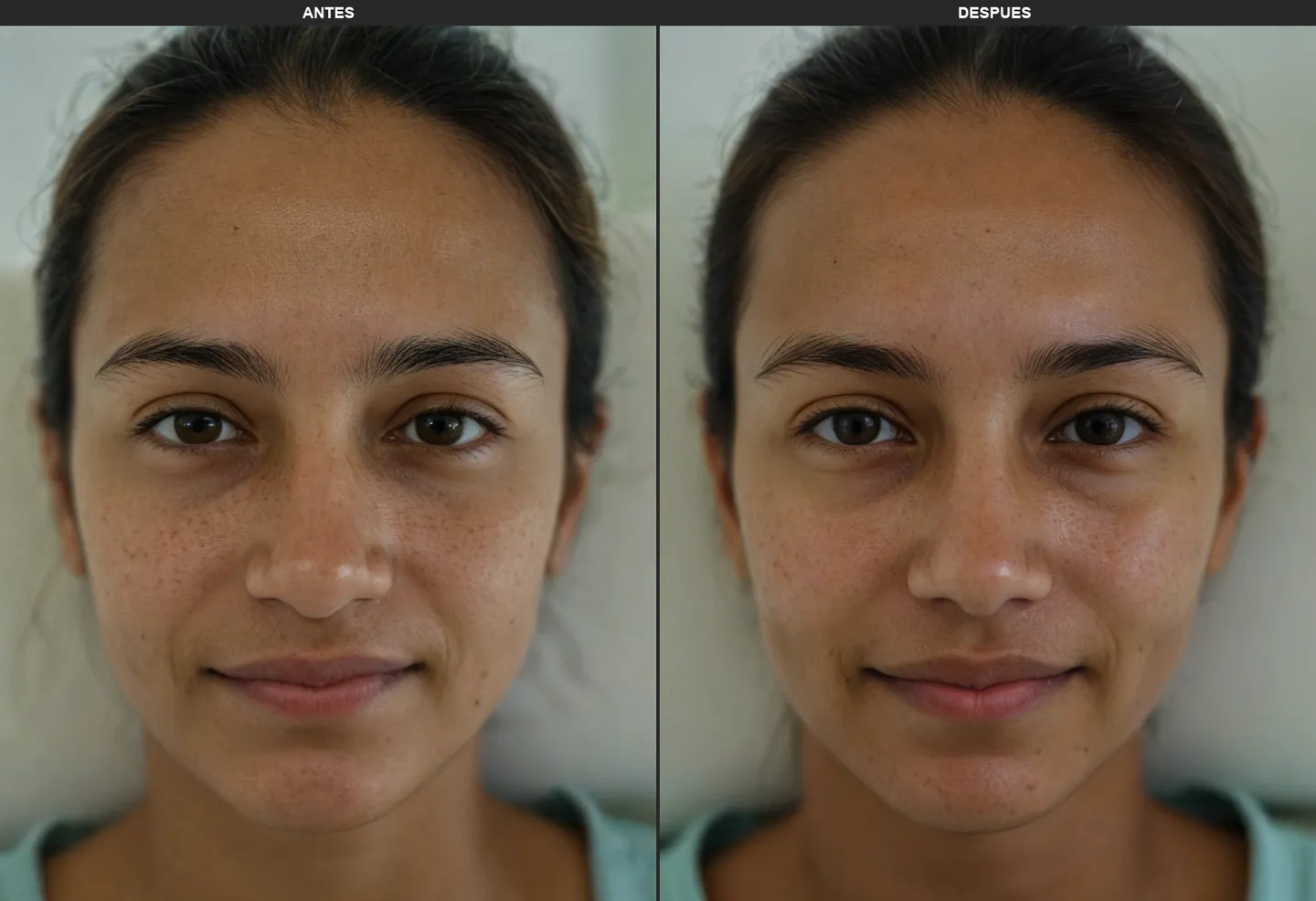
How We Treat Your Spots in Our Clinic
If you have been feeling for months that your skin is not responding to homemade creams or supermarket products, it is time to think about a deeper clinical strategy. In our dermatological consultation, we do not try to use a single magic method; we combine several techniques to attack the problem from different angles and ensure real results. Your skin is a complex system and requires an equally complex approach to function well.
The first thing we do is evaluate your skin with special tools to measure the thickness of the superficial layer and the activity of the cells. With this information, we make precise decisions about which procedure to use, as not all treatments work for all cases. At Verassere, for example, we use an integrated approach where we combine physical therapies with intensive dermatological care to maximize the effect and minimize the risk.
Pigment laser treatment is a very powerful option that uses specific light to break down excess melanin particles. The equipment emits energy pulses that are absorbed only by dark pigments, without damaging the surrounding healthy tissue. The burned particles are then naturally eliminated by your immune system over several sessions. It is a controlled process that requires post-care to avoid excessive inflammation or new spots.
Chemical peels are another effective method where we apply acids of different concentrations to remove the affected upper layers of skin. Depending on the severity, we can use gentle or more intense formulas, always adjusted to your skin type. The process reveals fresh and more uniform layers underneath, helping to reduce the contrast between the spot and the rest of the face. It requires a brief recovery but demands strict follow-up to avoid complications.
IPL phototherapy is also a valuable tool that uses broad-spectrum pulsed light to stimulate changes in melanocytes. Unlike laser, this technology selectively heats pigments without the need for specific shielding, although it always requires caution with the emitted energy. It is ideal for cases where we want a softer approach or when other options have not worked completely.
At all times, we explain what to expect from each step, from pre-procedure preparation to post-care, which is just as crucial as the treatment itself. We do not sell quick solutions that promise results in days; we build long-term plans that respect your skin’s natural rhythm while seeking the best possible improvement.
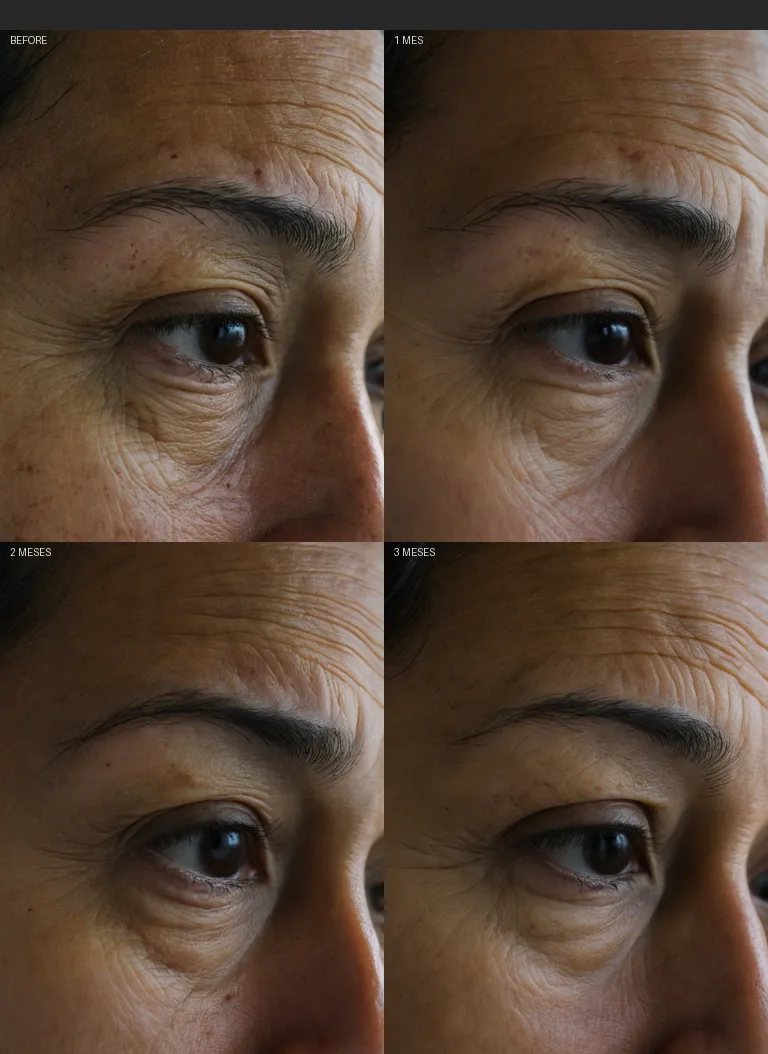
Clear Signs That You Need to See a Specialist
If you notice new spots appearing after spending a lot of time in the sun without protection, it is a clear sign that your skin needs professional attention. Also, when existing marks seem to have become darker or more extensive, it indicates that the damage is still active and requires immediate intervention. These are concrete signs you should not ignore, as they could worsen if treatment is delayed.
Other signs include the appearance of color changes that do not match your usual natural tone, especially in regularly exposed areas. If you use sunscreen but feel that the spots persist or reappear, it means the current strategy is not working well and you need to redesign your care plan. Do not wait until they become impossible to treat; the best time to intervene is when you still have control over the process.
If you feel self-conscious about how you look or it affects your confidence when going out, that is also a valid reason to seek help. Your emotional well-being is just as important as the physical health of your skin, and sometimes you just need a professional who will explain with honesty what options are available to you. Do not be afraid to ask or to request more time to understand the entire process before making decisions.
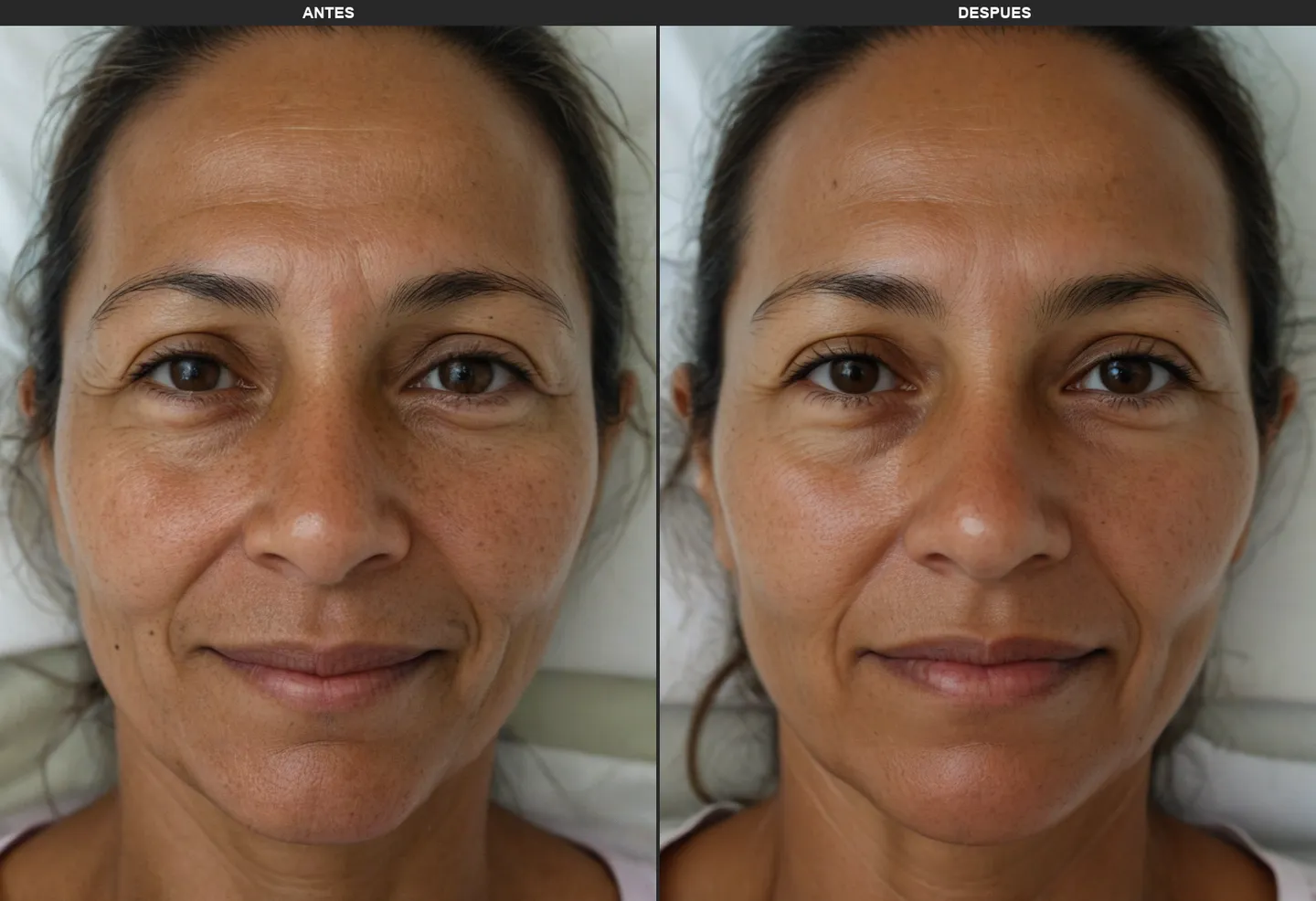
Frequently Asked Questions About Your Doubts
Why didn’t my spots go away even though I used sunscreen all day? Sunscreen prevents new damage but does not eliminate already formed spots, which is why the skin sometimes seems stagnant without direct treatment.
How many sessions do I need to see real changes in my sun spots? It depends on the severity and the type of treatment; generally, between three to six spaced sessions are required to achieve significant improvements.
Will I get spots again if I don’t expose myself to the sun after treatment? Yes, it is possible that new marks will appear if you receive solar exposure again without adequate protection, which is why continuous prevention is essential.
If You Need Real Help, Here Is Your Next Step
If you have been dealing with this for months and want to know your options, schedule a consultation in Medellín: Schedule a consultation.