


The Truth Nobody Tells You About Your Acne Scars in Medellín


Imagine being at the office, preparing an important report for your boss, and when you look in the bathroom mirror before leaving, you see hard, depressed marks where there used to be just red spots. That is the feeling many of our patients describe when they come to my office. It is frustrating to feel that the problem is not as visible as active acne, but it is very noticeable on the skin and makes you feel ashamed to show yourself without makeup. I completely understand how you feel, because seeing irregular textures on your face can make you feel like there is nothing to be done, as if you are trapped in that skin pattern with no way out.
Most people focus only on eliminating dark spots or red bumps, but these depressed scars are a completely different story. Sometimes it seems the skin has lost a bit of its internal structure, leaving holes that do not fill themselves or with time. It is very common to think that passing the years will fix everything, but the reality is that mature skin heals differently and these depressions often remain or even become deeper if not addressed.
In my daily practice at the medical center, I see that this affects many women between twenty-five and fifty years old who have been taking care of their image for years. Sometimes blame is placed on stress, hormonal changes, or simply having sensitive skin to our city’s sun. But it is not just luck or pure genetics; there is a biological process that explains why these marks occur and how we can work on them. Let’s talk about this calmly, without complicated jargon, so you understand exactly what is happening on your face and what we can do together.
Why those holes appear: beyond visible acne
To understand it well, one must think of the skin as a living tissue that reacts constantly. When you have a strong acne breakout, the body tries to defend itself and sends defense cells to the area. If there is much inflammation, these cells can damage the internal structures of the skin. Specifically, they affect hair follicles and sebaceous glands, which produce your oil and house your hair.
The honest nuance I want to share with you is crucial: people believe that melasma or dark spots are removed by a treatment. The reality is that they are controlled, not eliminated forever. The same occurs with depressed scars. There is no magic that eliminates them completely, but there are very effective ways to make them almost imperceptible.
The main mechanism behind these marks is the loss of collagen and elastin. Imagine that the skin has an invisible mesh network that holds it up; when that network breaks or becomes thinner, a depression appears. In severe acne, inflamed cells can destroy part of that structural network before the body has time to repair it adequately. Additionally, environmental factors play a huge role in our city. Dust and pollution in industrial areas can clog pores and worsen inflammation, while the sun depletes the skin’s natural defenses.
There are two specific medical data points that help understand it better: first, “boxcar” scars are those with defined edges like a box, and they occur because the destruction of the subcutaneous tissue was localized and deep. Second, the natural remodeling process of the skin takes between twelve and seventeen months to significantly replenish collagen, which explains why waiting several months without results can be disappointing if there is no external stimulus.
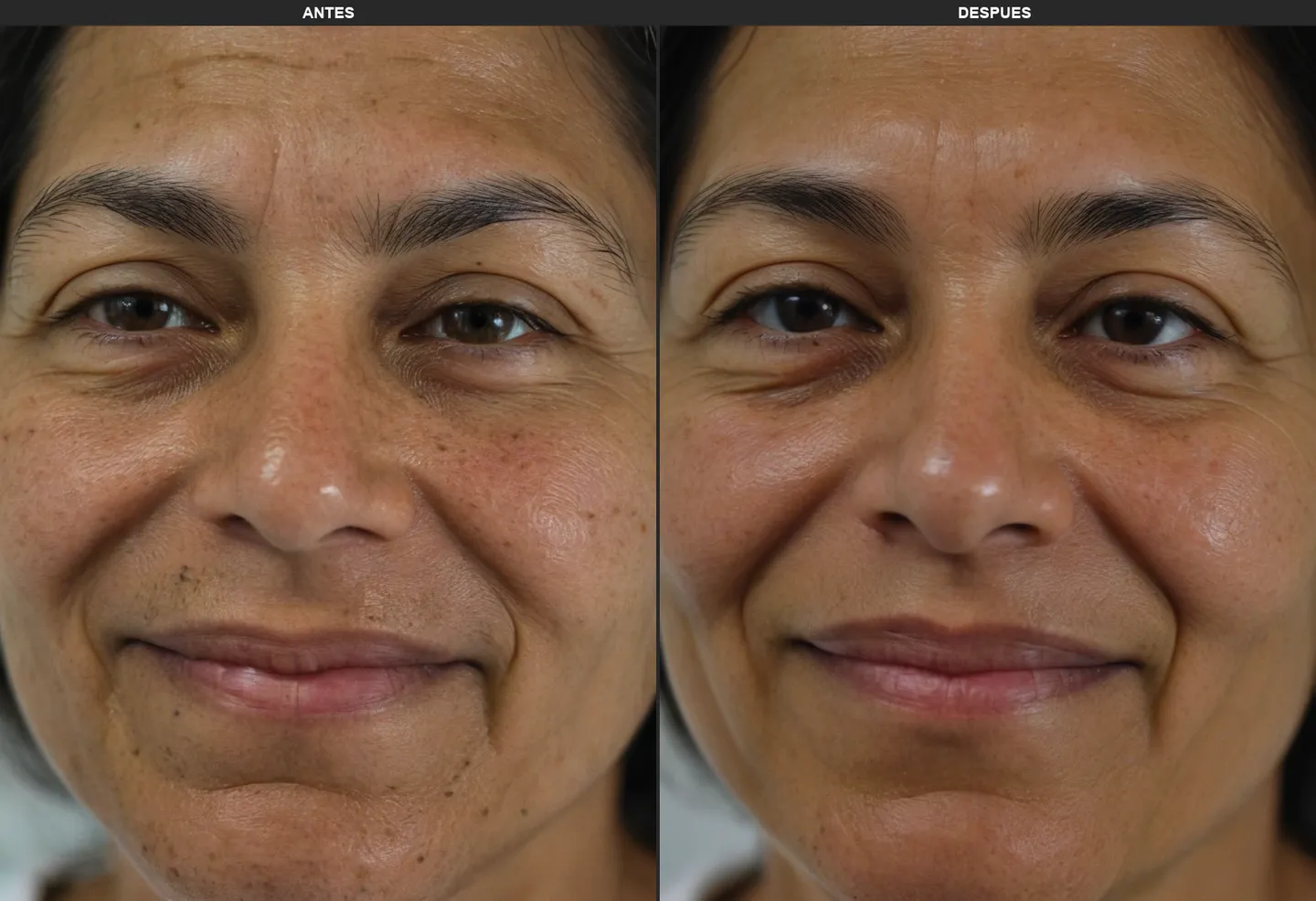
How we work in the office to improve your skin
When you come to our center in Medellín, our approach is not to apply a miracle cream and wait for miracles to happen. What we do is first evaluate the depth and type of each scar because each one requires a different strategy. In the consultation we see the pattern of the marks: some are very close to the surface and others go much deeper, almost to the subcutaneous fat.
If your skin has deep depressed scars, sometimes we need to combine techniques. For example, we can use a fractional CO2 laser to stimulate the production of new collagen in specific areas. This laser creates controlled micro-injuries that force the skin to rebuild itself from the inside out. Another very effective option is subcision, which is a technique where a small pinch is made to lift the edge of the scar and connect the two sides, making it less deep instantly.
If you prefer less aggressive options or with less recovery time, microneedling is excellent. It consists of using a very fine needle that creates small channels across the entire surface of the skin, allowing nutrients to penetrate better and activating natural repair. We can also consider gentle chemical peels for the spots that accompany the scars, helping to even out the color while working on the texture.
We have worked with patients who wanted quick results but knew they required patience. In those cases, we explained that a stepped plan is better than a single intense session. For example, we can start with chemical peels and then move to lasers later according to your skin’s response. If you are looking for an online store with complementary products to care for your skin at home, you can visit our section at Verassere where you will find items that enhance the effect of treatments without replacing the need for an in-person session.
It is important to remember that every face is unique. What works perfectly for one patient may need adjustments for another. That is why personalized diagnosis is the first thing we do before choosing any tool.
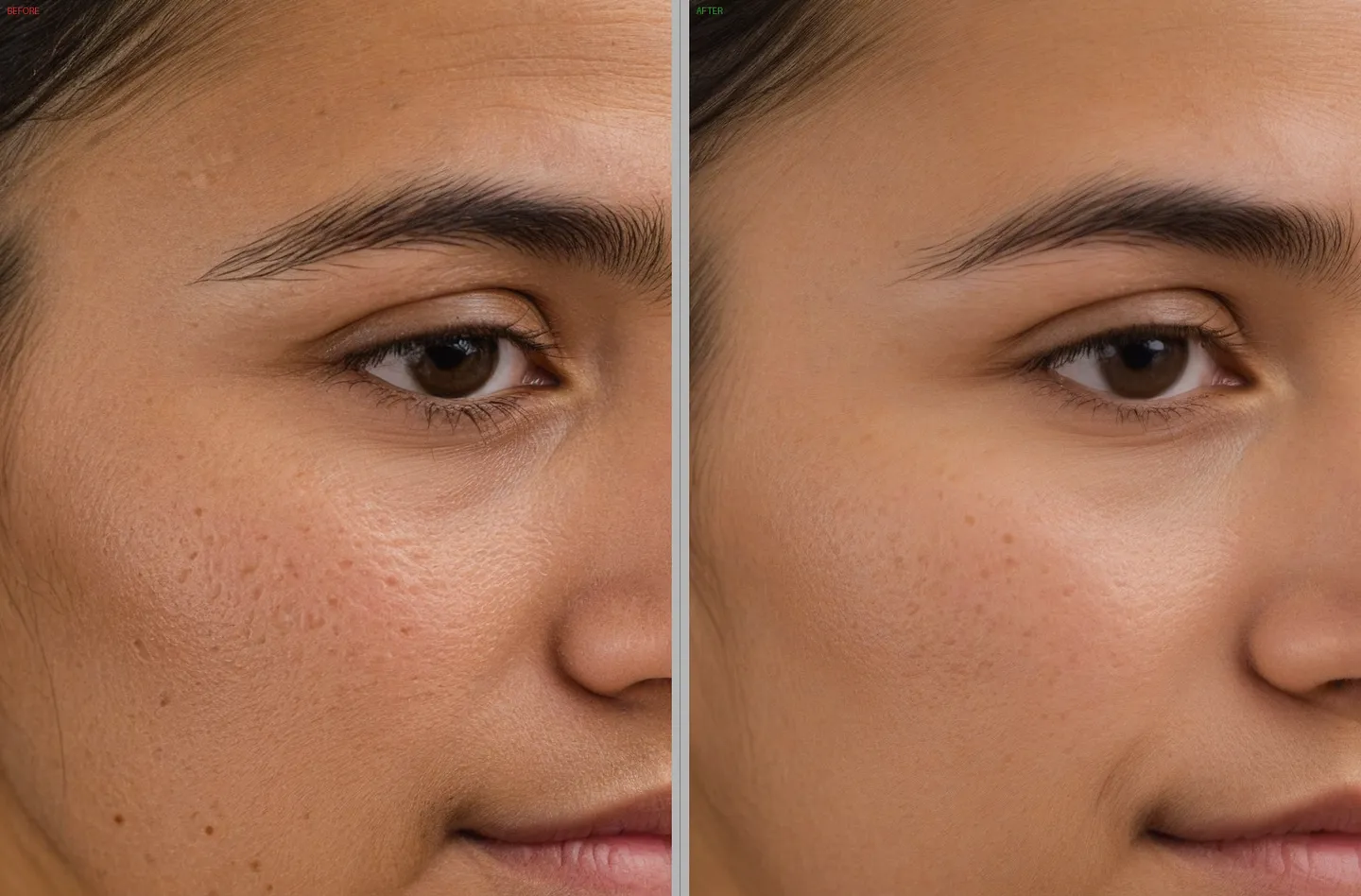
Clear signs of when you should seek help
You do not need to wait until the scars become impossible to treat or until your self-esteem completely breaks. There are clear signs that indicate it is time to seek professional help. If you notice that the marks have remained for more than a year after the last acne breakout has disappeared, it is time to think about an intervention.
Another important sign is when the scars affect your social or professional life. If you avoid going out with friends because you feel uncomfortable showing yourself without makeup, or if you feel you struggle to concentrate in meetings due to the insecurity those marks generate, it is a sign that you need support. You should also consider consulting if you have tried home remedies or pharmacy products for months without seeing any visible change.
It is crucial to distinguish between new and old scars. New scars are usually red or pink because blood is still present in the area, and they sometimes respond well to specific treatments such as vascular dye lasers that close those blood vessels without damaging the surrounding skin. If they are white or yellowish scars, it is likely that time has passed and the collagen is no longer active, which requires a different approach to stimulate repair.
Do not be afraid to ask about your options. In my office, there is always room for questions and for you to be the protagonist of your own treatment plan.
Frequently asked questions I get on WhatsApp
Why haven’t my scars gone away even though I no longer have acne breakouts? Scars are structural damages in the deep tissue that normal skin takes years to repair, while active acne is only superficial inflammation.
Can I use a laser if I have very sensitive or red skin at the same time? Yes, but it is ideal to treat the red areas first to calm the inflammation and then work on the texture of the depressed scars with a different technique.
Is it true that the sun in Medellín makes the scars look worse? The sun does not create new scars, but it does darken existing ones and makes it difficult for treatments to work correctly if they are not protected.