


Does the Sun Hurt You? The Real Issue with Solar Spots on Your Skin
There is always something that happens when you get home from the office and look in the mirror. You see those dark moles or scattered spots that grew after spending a lot of time under the warm sky of Medellín. You feel that it is normal, that it is the price of having fair skin here, but that persistent doubt takes your peace when you go out into the street. It is frustrating to feel bad about what you see, especially if you have used sunscreen all the time and you still notice that change. I perfectly understand that feeling of discomfort; it is not just an aesthetic detail, it affects your confidence when you look at yourself in the phone screen reflection or in a group photo.
In consultation we see that most patients arrive with that same concern, wondering if there is something more than sunscreen. Sometimes we think we have done everything possible to take care of ourselves, but we find a real problem: accumulated sun damage. It is as if the sun had been writing on your skin for years and those marks are the visible proof of that writing. It is not a congenital defect nor something that appears overnight without reason; it is the direct result of repeated exposure to UVA and UVB rays that penetrate deeply into your dermis.
What we do is evaluate each case calmly, reviewing the solar history of each person before proposing any option. In our dermatology center, we understand that every skin is unique and there is no treatment for everyone equally. Here at the clinic where you work, we explain with honesty what options exist to improve that aspect without promising impossible miracles. If you refer to specific options like the Colormax laser, it is possible that it is what you heard or read on social media, but you need to know if it is appropriate for your particular case.
The Truth About Solar Spots and the Myth of the Medellín Sun
Solar spots, technically called solar hyperpigmentation, arise when rays damage the melanin-producing cells in the skin. This substance is what gives color to your skin and hair, but when it receives too much sun damage, the cells become hyperactive and produce a lot of melanina at once, creating those dark spots. Unlike melasma, which is usually linked to hormones and genetics, solar spots are mainly the result of physical damage from light.
Here is an honest nuance that many people ignore: people believe that melasma goes away with a treatment. The reality is that it is controlled, it does not disappear forever. Solar spots are also difficult to eradicate completely if the current sun damage is not stopped. Although you apply any treatment today, if you continue to expose your skin without strict protection, those spots will return or even expand. The sun of Medellín is known for its beauty, but its rays are aggressive and persistent; there is no way to avoid them completely if you go outside.
Another important fact that few know is that sun exposure in the early morning hours and at sunset is more dangerous than at noon, although it seems the opposite. UVA rays do not have a defined schedule; they are present all day, even when it is cloudy, as they have greater penetration capacity than visible rays. That is why using sunscreen under a cloud is not enough to prevent those accumulated marks.
How We Approach Your Problem in Consultation
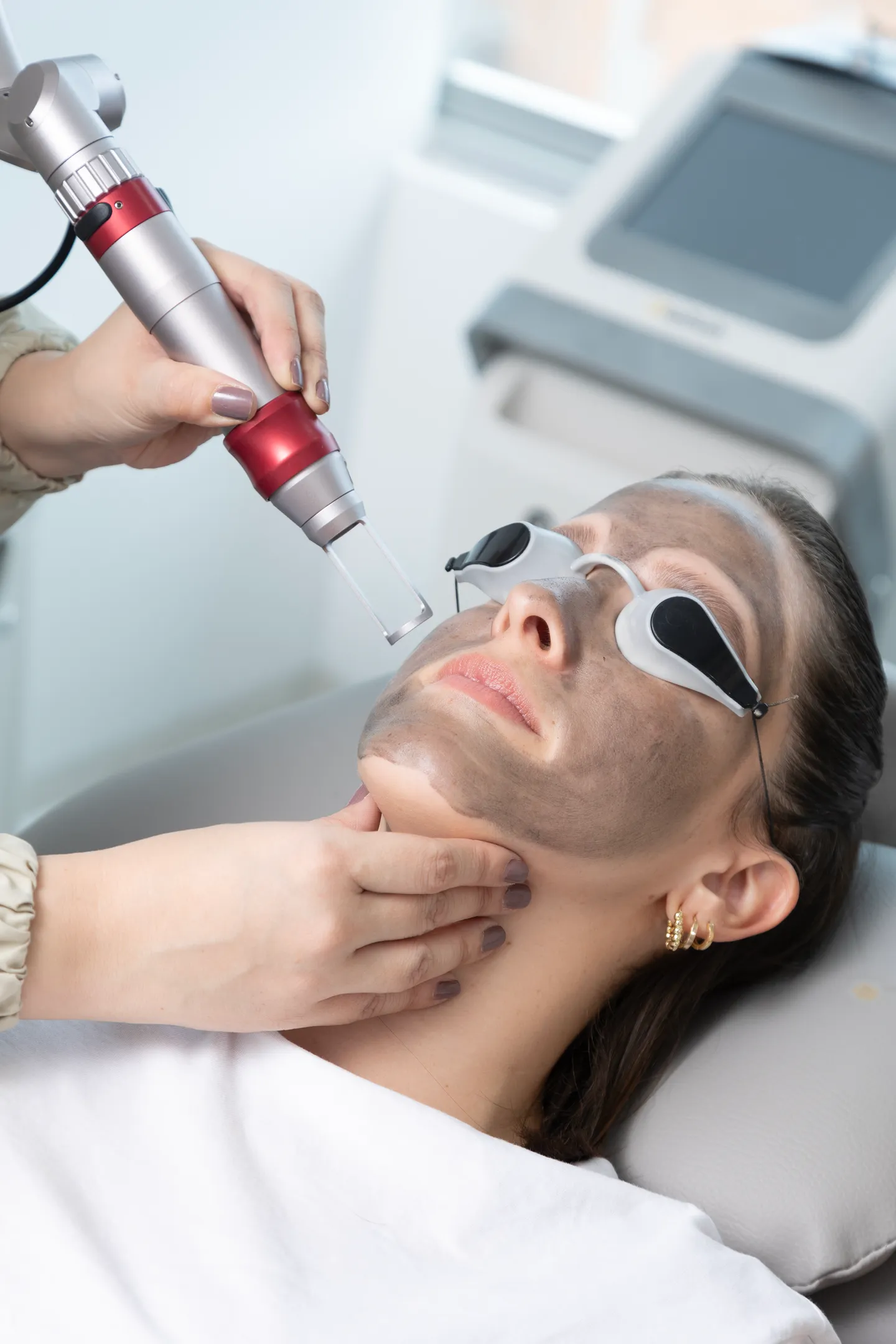
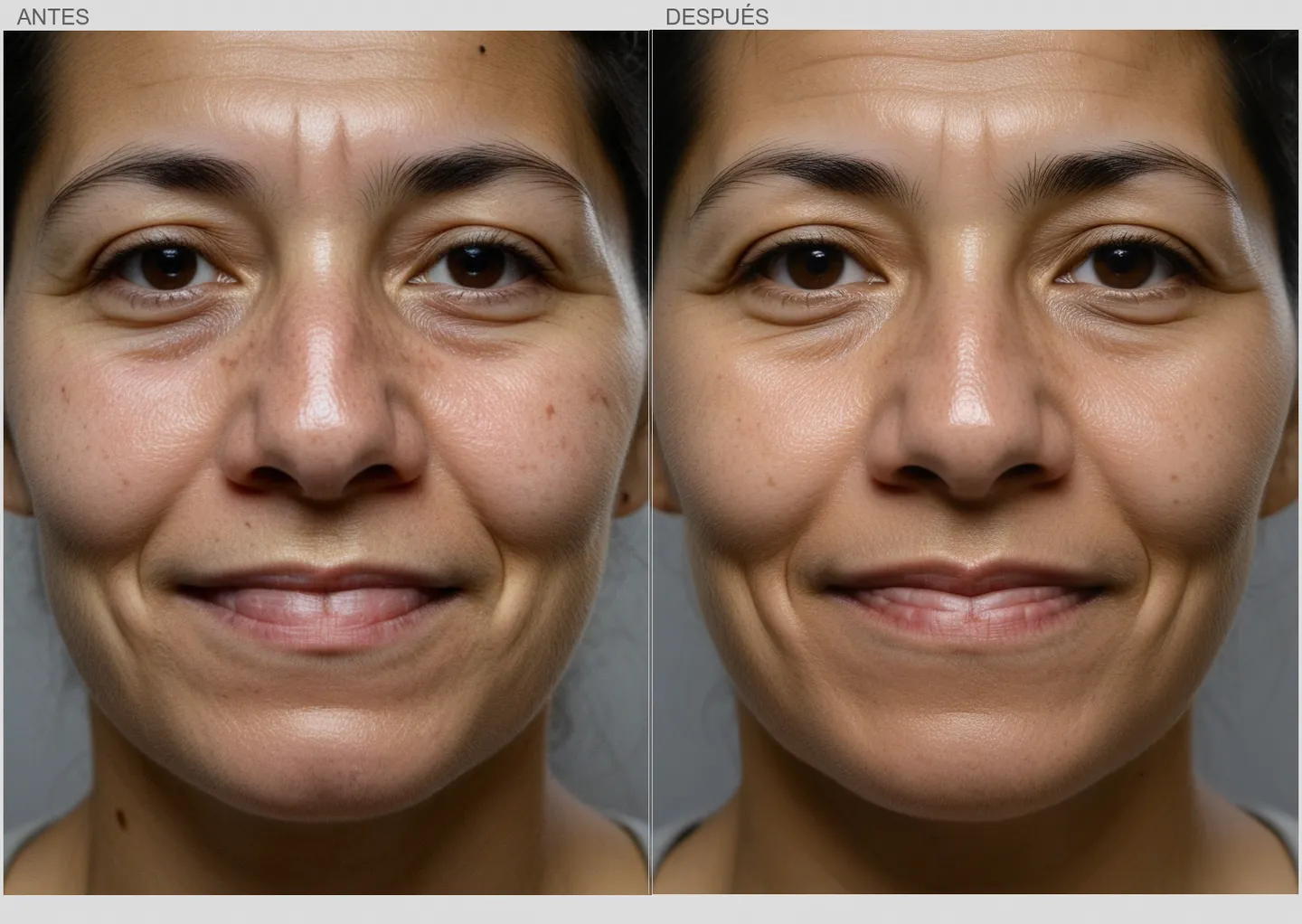
In our dermatology clinic, the process begins with a detailed evaluation of your skin to determine what type of spots you have and what depth affects your dermis. We do not apply a treatment blindly; first we analyze your skin’s response to different stimuli to choose the best personalized strategy. If your case requires advanced technology like the Colormax laser, it is possible that this is the indicated tool to break that pigmented layer safely and controlled.
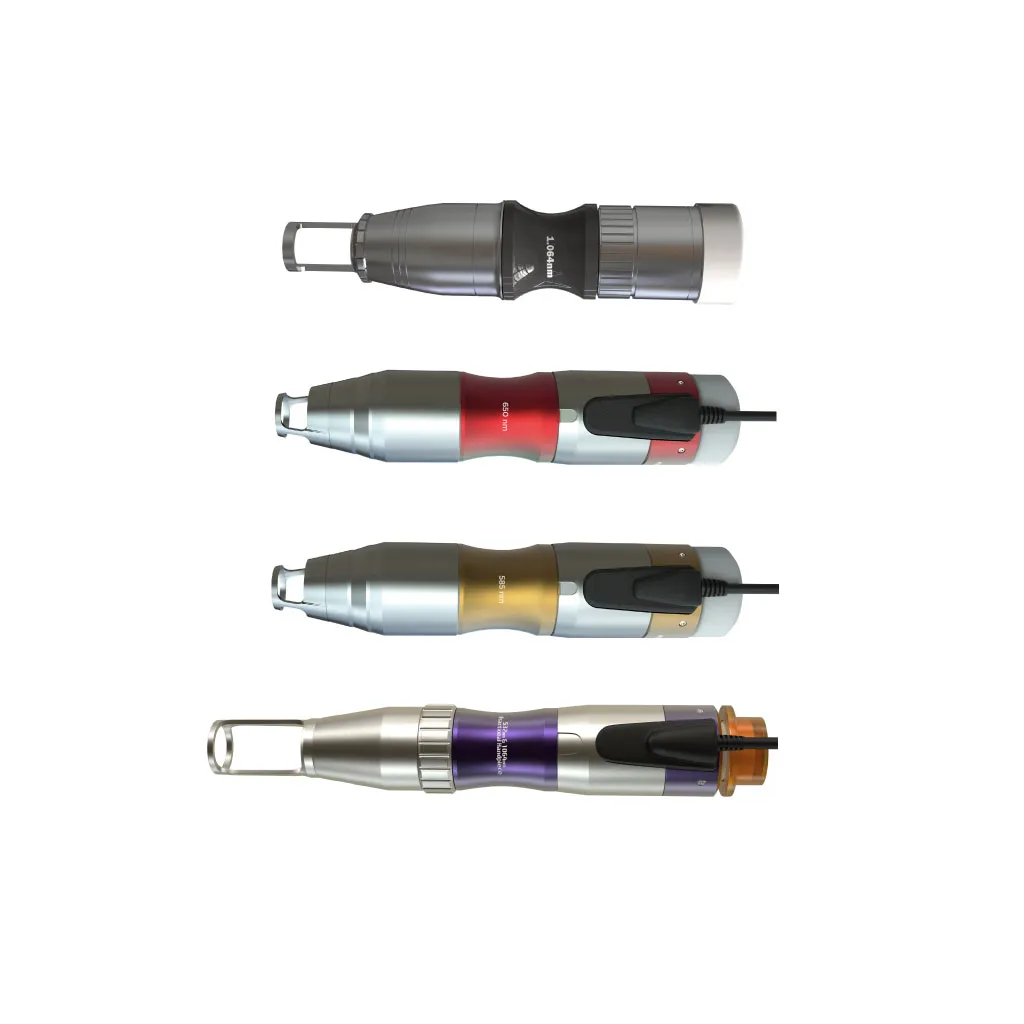
The Colormax laser works by selecting a specific wavelength that absorbs excess melanina without damaging the surrounding tissue of your skin. It is a very used option because it allows treating extensive areas or multiple spots with greater precision than conventional lasers. During the procedure, you may feel a slight heat or a quick pinch sensation, but everything is manageable with local anesthesia if you need more comfort.
If your case is complicated by hypertrophy or previous scars, we could consider combining it with other techniques such as mild chemical peels or phototherapy with intensified pulsed light. Each combination depends on what your skin really needs to heal and improve its appearance uniformly. At Verassere, we value your time and comfort, so we explain each step clearly before starting any treatment session.
It is important to mention that results are not immediate nor guaranteed at 100% in each patient, but they are very significant if we follow the appropriate instructions. The key lies in consistency and in protecting your skin throughout the process to avoid that new spots affect the desired final result.
Clear Signs That You Should Consult
If you notice that your spots have become darker or increased in size without apparent reason, it is time to seek professional help. You should also be concerned if the spots appear in areas exposed to the sun, such as the forearms, face, or hands, and do not disappear even if you use sunscreen daily.
Other signs include the sudden appearance of irregular patches of different color than the rest of your skin, especially in areas that were always protected. If you see changes in the texture or relief of those spots, as if they become rougher or scaly, that could indicate an inflammatory response that requires immediate attention.
Do not wait for the spots to improve on their own; in most cases, without professional intervention, they tend to persist or worsen over time. The best way to act is to schedule an appointment as soon as possible so that a specialist can review your skin in detail and propose a plan appropriate to your real need.
Frequently Asked Questions About Solar Spots
Is the same treatment for melasma and solar spots? No, treatments differ because the causes are distinct; melasma responds better to tyrosinase inhibitors while solar spots require destroying existing pigmentation with laser or peels.
Can I use sunscreen after treatment with Colormax laser? Yes, it is mandatory to use a high-protection sunscreen every day to avoid that spots reappear and to protect your skin during recovery.
How many sessions do I need to see real changes in my solar spots? Most patients notice improvement after 3 to 5 sessions, but the exact number depends on the extent and depth of the spots in your skin.
If you want an evaluation before deciding, write to us: Schedule a consultation.