


Does Ultraformer Hurt? What's Really Happening to Your Face
Imagine you just finished closing an important work project and you feel exhausted. Your eyes are puffy from lack of sleep, and you see how your features look more tired under the daylight. At that moment, if someone told you that a treatment could reinvigorate that skin, you would feel a mix of hope and much fear that it might be painful like an invasive procedure. It is very common that when someone mentions Ultraformer, the first reaction is: “How much will it hurt?”. It is not a trivial question because you are concerned about your comfort and do not want to go through something unpleasant just when you need to feel good about yourself.
For a long time, many patients come to our consultation with that same concern before starting any rejuvenation session. They often fear feeling itching, burning, or even sharp pain that they cannot control. I perfectly understand that anxiety because pain is something natural and human; no one wants to feel bad at any moment, less so in a place where they want to look good. In consultation, we see that fear of the unknown is often greater than the actual physical pain.
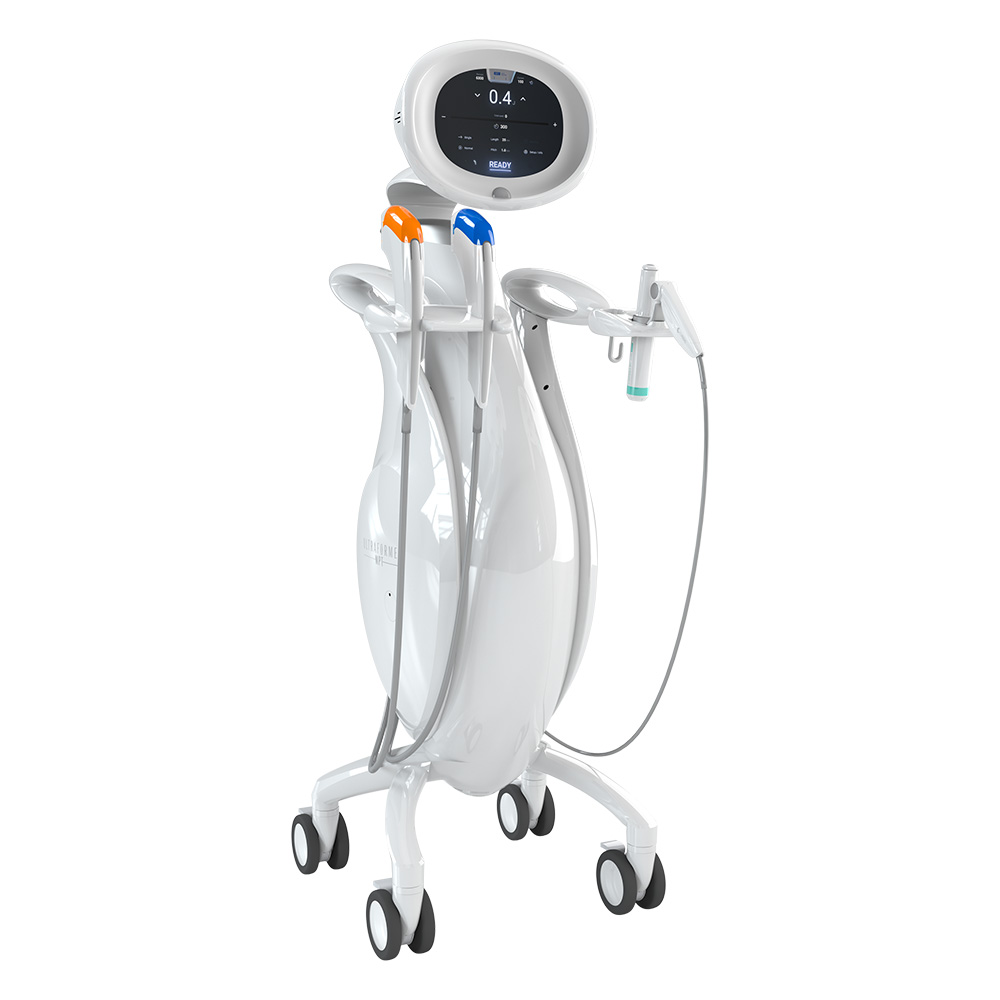
What really happens is that the sensation is not the same for everyone, but there is a clear pattern of what the majority experiences. Ultraformer uses radiofrequency waves to heat the deep layers of the skin and stimulate the production of collagen and elastin. The heat generated in those deep layers is what can cause that sensation of heat or even mild itching that some people describe as uncomfortable. It is different from a strong pinch, but it can indeed be uncomfortable if not well managed with numbing creams before the session.
Why It Hurts and the Truth About the Pain Myth
There is a main cause behind that sensation: the friction between the device and the skin while it constantly moves over your face. Ultraformer needs direct contact and movement to reach the deep layers where the collagen loss we see on our face lives. If the device does not slide smoothly or if someone presses it too hard, it can generate that sensation of burning or pressure that we interpret as pain. Additionally, individual sensitivity plays a huge role; some people have more sensitive nerves that react with greater intensity to radiofrequency waves.
But there is something many people believe that is not exactly true: people believe that Ultraformer hurts as much as a toxin injection or a facial thread. The reality is that pain varies enormously depending on how the treatment is performed; it is not something fixed for all cases. What really hurts more are invasive procedures where needles enter the skin or controlled superficial burns, while Ultraformer works from within without breaking the skin barrier.
Another common myth is thinking that if it feels a lot, the treatment will not work well. In reality, that sensation of heat or discomfort is the signal that the waves are reaching the correct depth where tissue stimulation is needed. The necessary heat to reactivate fibroblasts and ask them to make new collagen goes through a phase where something is felt, but that does not mean the pain is excessive or that the process is done poorly.
In our clinic in Medellín, we apply a specific protocol to minimize that discomfort and ensure the experience is comfortable. Before starting, we always prepare the area with a high-quality topical anesthetic cream that drastically reduces the sensitivity of superficial nerves. This preparation allows the device to slide without generating intense itching or that burning sensation that some fear to experience.
If we try high or medium intensity, we explain to the patient exactly what they will feel and give them instructions to breathe deeply and relax the treated area. Relaxation is key because when you tense the facial muscles, you increase sensitivity and the body can perceive more intensity than if it is in a state of calm. Additionally, we use continuous movement techniques that prevent the device from staying in one point, generating excessive localized heat that could be uncomfortable.
How the Process is in the Consultation and Where We Do All This
When you arrive at our consultation, the first thing we do is evaluate your skin and complete history to decide the appropriate intensity. We explain step by step what you will feel during each stage and give you time to ask any questions before starting. The application of topical anesthetic may take a few minutes to act, but it is worth it because it significantly reduces the perception of heat and the movement of the device over your face.
Once the anesthetic is applied, we move to the real treatment phase where the specialist applies the device with fluid and constant movements. During that time, you may feel a sensation of heat that gradually intensifies, but it should not be sharp or stabbing pain. If you feel any discomfort that seems out of the ordinary, tell us immediately and we will adjust the intensity or pause for a moment to reheat the anesthetic cream.
The complete process usually lasts between thirty and forty minutes depending on the area we are working on, such as the eye contour, cheeks, or mental line. Throughout the entire treatment, the specialist watches and listens to you to ensure you feel comfortable at each step. After finishing, we apply a moisturizing cream to calm any mild irritation and clean the area of the anesthetic.
If you have questions about where we perform these treatments, you can visit our official site for more information: https://verassere.com/tienda/. There you will find details about our products and services related to skin care. Our team is dedicated to caring for your well-being and your confidence in every session you perform in our clinic.
When Should You Think About Scheduling an Appointment?
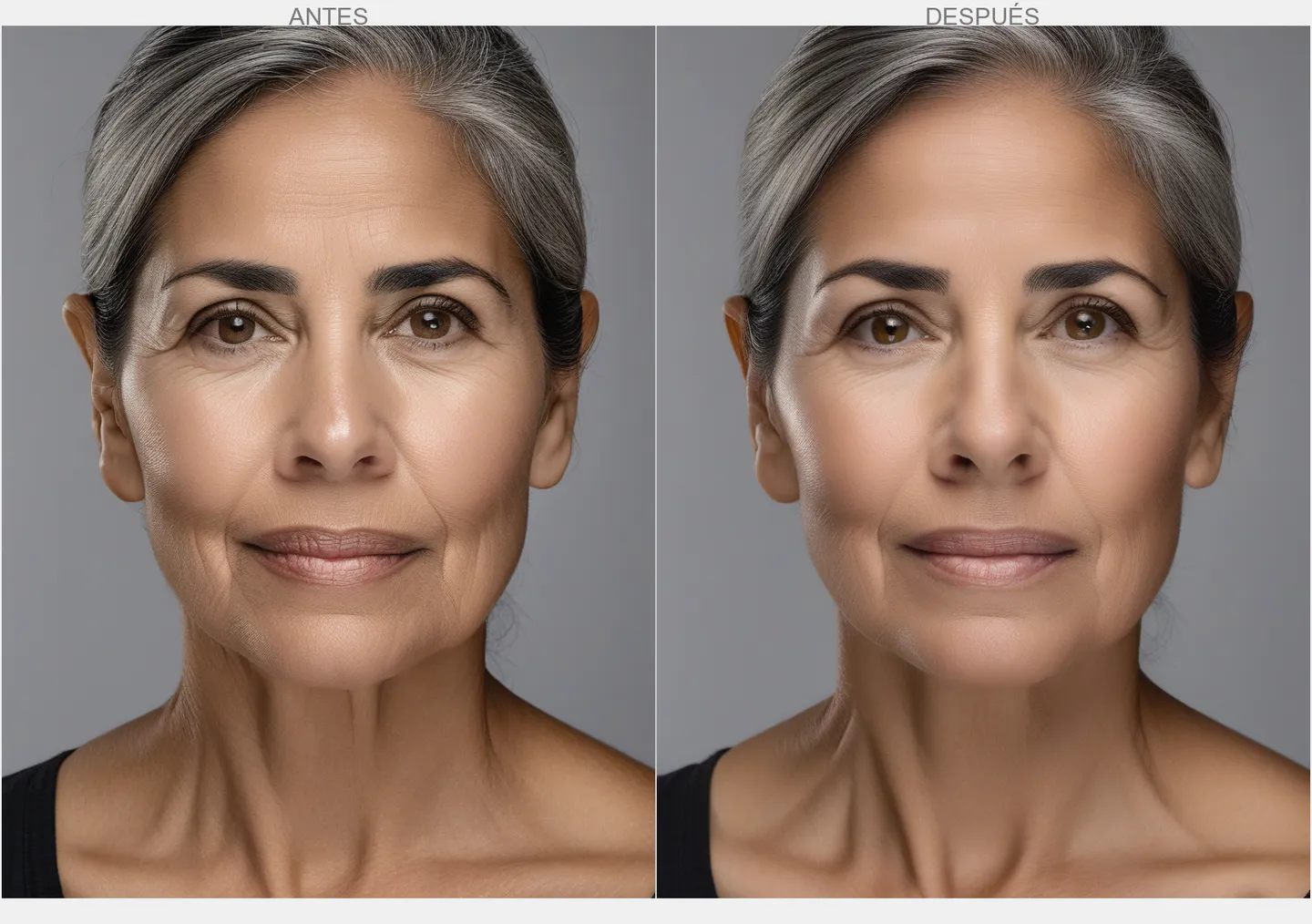
If you notice that your wrinkles are returning faster than expected or if you feel that your skin looks looser after being in the sun for a long time, it might be the time to consider facial rejuvenation. The sun in Santa Marta or any other place where you have constant exposure for months can accelerate this loss of collagen and elastin that makes us feel visually more tired.
Other concrete signs include that your expression lines become more marked even though you have taken good care of your daily routine, or if you feel that moisturizing creams no longer keep your skin firm as before. Chronic work stress that affects the quality of sleep and the natural recovery of your skin between days can also be a factor.
You do not need to alarm yourself if you only notice subtle changes, but it is useful to keep these signs in mind so as not to wait until the problem worsens. Prevention is always better than treating an advanced problem because the results are more natural and less invasive when done on time.
Frequently Asked Questions About Pain
Is it true that Ultraformer hurts as much as a strong injection? People believe it hurts that much, but the reality is that with correct topical anesthesia, it can be done almost without pain, just with a mild sensation of heat.
Can I feel something if my teeth hurt or I have throat problems? Yes, if you have recent dental problems or inflammation in the mouth, the pain can be greater because radiofrequency waves can irritate those nearby nerves.
Is it safe to do Ultraformer if I am pregnant or recently postpartum? It is not safe to perform this treatment during pregnancy or until six months after childbirth because hormones change the skin and unnecessary risks must be avoided during that specific period.