


Complete Guide to Treatments for Solar Lentigines in Medellín
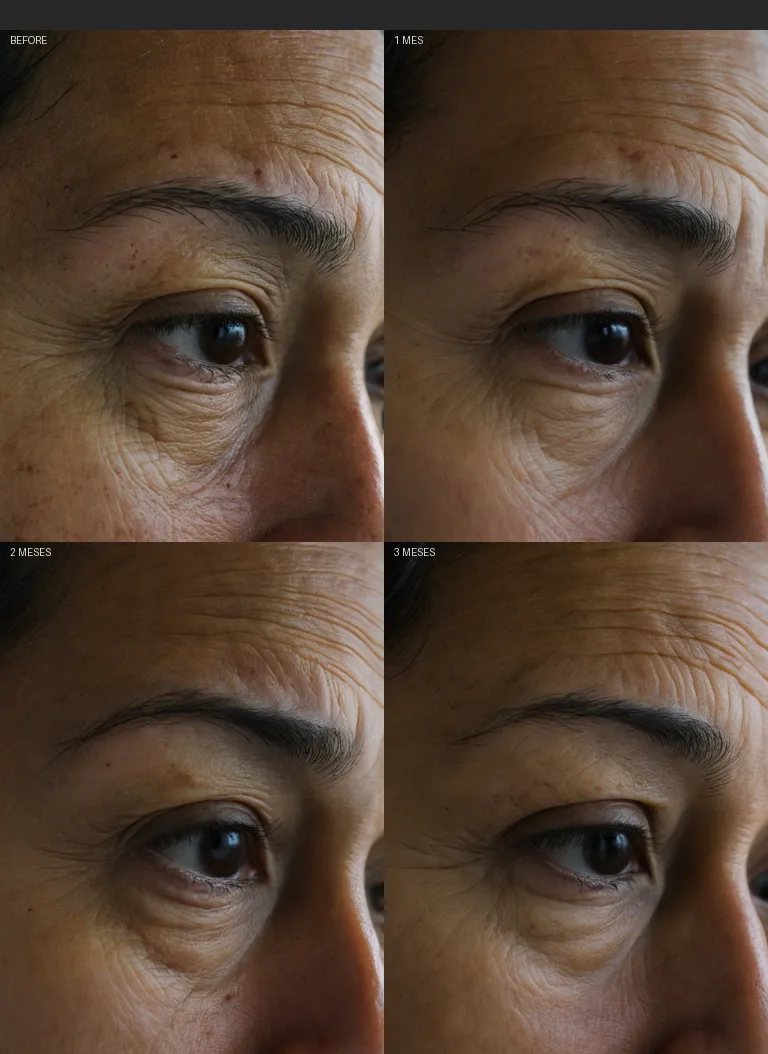
Sometimes something happens that makes you feel uncomfortable in front of the bathroom mirror or while walking through the 13th Avenue park in Medellín. You look at your hands, your forearms, perhaps your face, and notice those darker tones that don’t seem to match yesterday’s sun or the sunscreen you used this morning. These spots have an irregular shape, often appear around the eyes or on exposed areas, and generate insecurity because they seem permanent. I completely understand that frustration. It’s not just an aesthetic issue; it’s feeling like your skin is telling a story of damage you don’t want to accept as truth, as if you were never as vulnerable to the sun as you are now.

Our Approach in Consultation
In our clinic in Medellín, we see many similar stories, and each patient has a different pace. Sometimes you come in with urgency because the sun hit your face months ago and you already see the change; other times you notice it gradually and wonder if you should do something or if it’s better to wait for it to pass on its own. What we do in consultation is evaluate the color of those spots, their shape, where they are located, and how deep they appear. We do not apply a magical immediate treatment without first understanding what your skin needs, because every skin has its own specific needs and every case is unique.
If you identify with the feeling that those spots only appear when the sun comes out and disappear when there is no light, you are probably facing solar hyperpigmentation. This problem is not melasma, which is a distinct condition with hormonal causes. The key difference is that solar lentigines are caused by cumulative exposure to UVA and UVB rays over the years. The sun damages the DNA of your cells and triggers a defense response that produces more melanin, that dark pigment. Unlike melasma, which is usually related to hormones and stress, these spots are the direct result of previous solar radiation.
There is a very strong myth circulating on this topic: people believe that melasma or solar lentigines are removed by a treatment and never come back. The reality is that they are controlled, not eliminated forever. If you stop using sunscreen after the procedure, it is very likely they will reappear or new spots will appear in other areas. The sun is still there waiting to take its turn. That is why daily prevention is just as important as the initial treatment. Without a constant protection routine, any progress can be quickly reversed.
In our dermatological team, we use personalized protocols to address this cumulative solar damage. First, we evaluate the current state of your skin and rule out infections or other conditions that could interfere. Then we design a plan that usually combines several methods depending on the severity of the spots. In our store in Medellín, we offer specific products to help with daily care, but professional treatment is what really generates visible changes.
The main procedures we use are pigment lasers, controlled chemical peels, and phototherapy with intensified light. The pigment laser works like a scalpel that breaks melanin granules into small particles so the body can eliminate them naturally. Chemical peels exfoliate the damaged outer layers and stimulate the regeneration of lighter, healthier skin. Phototherapy with intensified light also helps reduce hyperpigmentation gradually. Each has its ideal moment depending on your skin type and pain tolerance.
Before choosing the right path, it is vital to understand that there is no single solution for everyone. Your skin responds differently to each method. For example, in the first session, you might see an immediate change in the superficial tone, but the deeper layers may take weeks or even months to fully lighten. It is a process that requires patience and constant follow-up. Do not expect miraculous results in a single visit. Consistency is the key to success in these dermatological treatments.

Signs You Should Consult
If you notice new spots appearing frequently, or if you feel itching, burning, or sudden color changes in those areas, you must see a specialist as soon as possible. These signs indicate that the skin is reacting to solar damage or to some other triggering factor such as stress or certain medications. Do not ignore those signs thinking they will pass on their own. Early detection allows for more effective and safe interventions for your overall well-being.
Many patients arrive with the mistaken idea that the sun is just a pleasure in Medellín and that it does not really affect them. The reality is that the tropical climate combines high humidity with much UV radiation that penetrates even through clouds. If you work outdoors, drive on very sunny roads, or spend long hours in front of windows without curtains, your skin is receiving constant doses of invisible damage. Those UVA rays penetrate glass and cloud cover, causing the type of spots we mentioned earlier.
It is common to hear that spots disappear if you get less sun or if you use stronger creams at home. Although daily care is essential, by itself it rarely manages to eliminate already formed spots. The depth of the damage usually requires specific medical technologies that act at levels a topical product cannot reach. Do not expect a cream with “glycolic acid” or “vitamin C” to solve everything in a week if the hyperpigmentation is already well-established.
The recovery process varies depending on the chosen method. After a chemical peel, for example, your skin may feel sensitive and red for a few days until the treated layer sheds. With lasers, it is possible that scabs or temporary color changes appear before the final lightening. These effects are normal and are part of the cellular renewal process. Your medical team will guide you step by step to manage post-care and avoid unnecessary complications.
If you have doubts about the best option for you, or if you feel your home remedies are not working, it is time to seek expert advice. In dermatological consultation we can make a precise diagnosis and explain exactly what to expect from each treatment. We want to ensure you choose the safest and most effective path for your health and confidence.
Do you have solar lentigines that concern you? Do you know which is the best option to eliminate them without further damaging your skin? Would you like to schedule an evaluation to see your real options?