


IPL for Acne: Why It Sometimes Seems Ineffective
There is something many patients tell us in the office when they arrive tired from work or after a difficult week. It is that feeling of being stressed, exhausted, and with skin that refuses to cooperate. Dark spots appear on the face, blackheads seem to never disappear, and there is a constant sense of having to put on heavy makeup just to feel comfortable in your own skin. Sometimes they think it is their fault for eating certain foods, drinking dirty water, or simply bad luck. But the truth is that their skin is reacting to very specific internal factors that are not always visible.
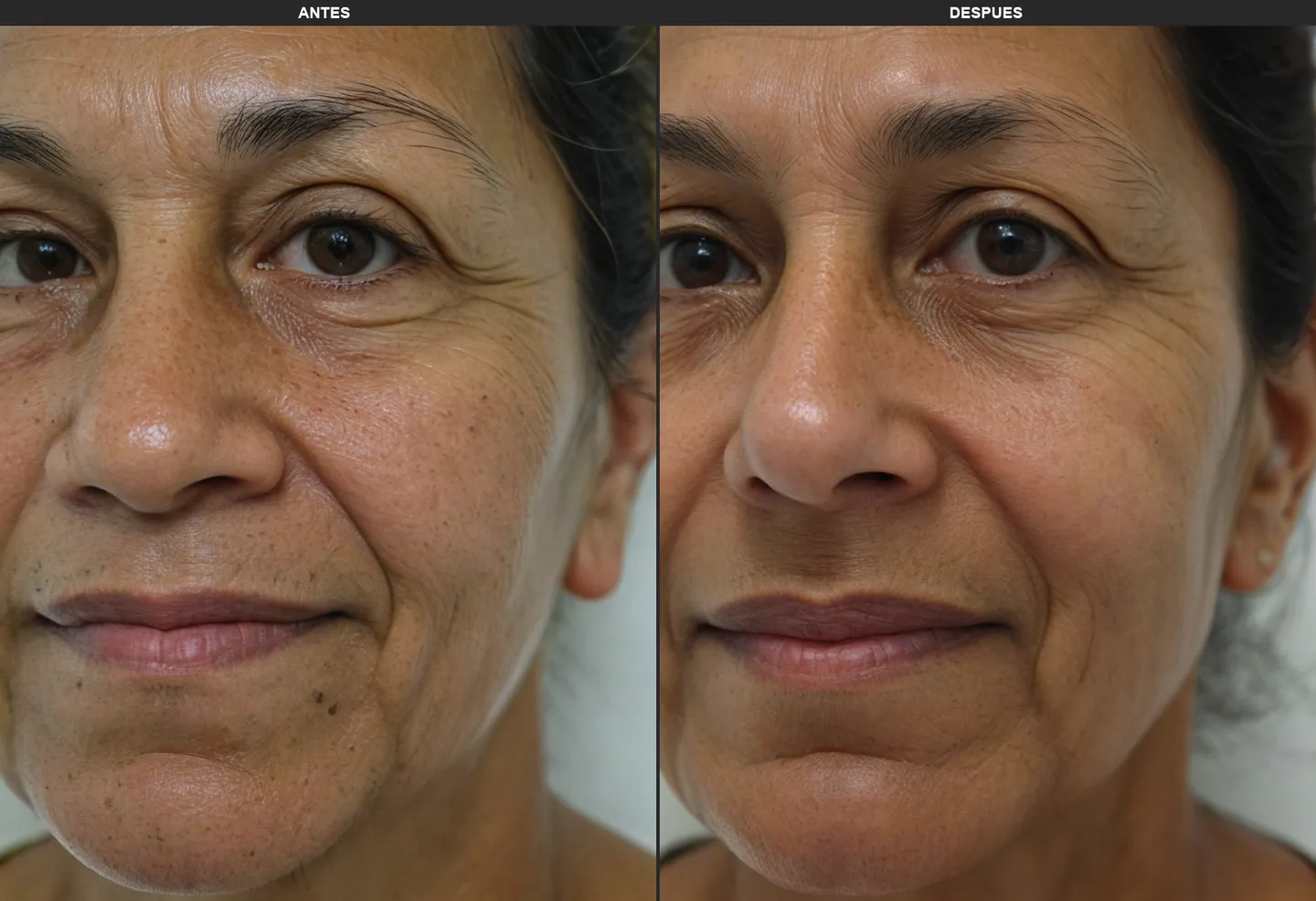
The real problem is often more complex than it appears at first glance. Skin with acne is not just a matter of poor hygiene or having excess oil on the surface. It is an inflammatory disease that affects the pilosebaceous unit, which is where hair grows and oil is deposited. When there is inflammation, things happen inside that are difficult to control without professional help.
If you try to use homemade remedies or generic creams on your own, you are likely to feel temporary relief, but then everything returns just as strong. This happens because the triggering factors are often hormonal or genetic. For example, in hormonal acne, androgens stimulate the sebaceous glands to produce much more oil than necessary. This oil mixes with dead skin cells and blocks the hair follicle duct, creating a perfect environment for bacteria to thrive and cause infection.
Another key factor is genetics, which determines how long the inflammation lasts before a permanent scar forms. If your grandparents or aunts had severe acne at fifteen, your skin may have a predisposition to react the same way. It is not your fault, nor a lack of personal effort. It is a biological process that requires appropriate medical intervention to avoid serious sequelae such as dark spots or irregular textures that last for years.
People believe that IPL for acne is a magic solution that cures everything completely in just a few sessions. The reality is that it works better as a maintenance tool and for drastic improvement of the superficial appearance. IPL, or high-intensity pulsed light therapy, uses light energy to heat and destroy the bacteria responsible for inflammation. However, its ability to reduce oil production is limited compared to other methods.
The main goal of light therapy is to reduce the number of bacteria and decrease the severity of existing lesions, but it does not completely eliminate the root cause in all cases. It is like trying to put out a fire with water when the wood is very dry; it helps, but it does not solve the fundamental cause. That is why it is vital to understand how severe your acne is to know if this technology is appropriate for you.
Our Approach in Consultation
In consultation, we evaluate each case individually before recommending any method. What we do is observe the type of lesions you have, the depth of the inflammation, and how your skin responds to different stimuli. Sometimes we use combinations with other treatments to achieve faster results. If your acne is mild and you mainly have red or inflamed spots, IPL can be very effective for reducing irritation and preventing lesions from opening.
If your acne is moderate to severe, with many lesions that last a long time, light alone may not be sufficient. In those cases, the medical team may suggest more potent options such as oral medications or deep cleaning procedures. It is important to be honest about what you expect so you do not become frustrated with partial results.
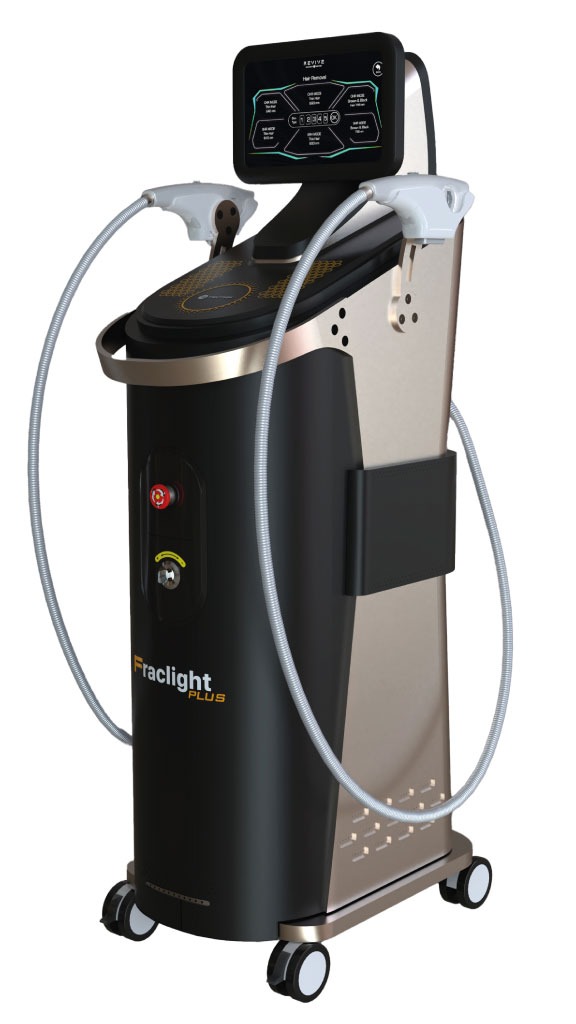
Many patients come to our clinic in Medellín thinking that any laser treatment works the same for everything. The difference lies in the intensity and the type of energy used. Some devices are gentler, while others require more post-treatment care. We evaluate your medical history to choose the correct tool for your specific skin.
At Verassere, we understand that you are looking for real solutions without empty promises. When you arrive at our center, we clearly explain what we can achieve with each available technique. We do not try to sell a product, but rather to solve a real health problem with professionalism and empathy.
When you decide to consult with a dermatologist, look for concrete signs that indicate you need professional help. If you have lesions that do not improve after several weeks of using common creams, or if you notice that dark spots appear whenever you experience stress or a change in weather. It is also a time to seek help if you feel that your emotions are affected by how you see yourself in the daily mirrors.
Most people do not seek medical attention until the situation becomes very visible or uncomfortable for their social and professional life. But waiting until that point only delays recovery and increases the risk of permanent scars. It is better to act early when there is only active inflammation and no structural damage to the skin yet.
Many patients have specific questions about how the treatment works in their particular case. Here are some frequently asked questions that people often ask via WhatsApp:
Does IPL for acne work the same for all skin types and tones? No, the light intensity must be carefully adjusted according to your phototype to avoid burns or hyperpigmentation. How many sessions do I need if I only have blackheads without inflammation? Light is more effective on inflamed lesions, but it can also help unclog ducts and prevent new infections. Can I use IPL for acne if I am pregnant or taking hormonal medications? No, the treatment is generally contraindicated during pregnancy and certain hormonal states, so it must be consulted with a specialist beforehand.
Signs You Should Consult
If you have had this for months and want to know your options, schedule a consultation in Medellín: Schedule a consultation.