


Does IPL Hurt to Remove Sun Spots? The Truth Nobody Tells You
There is something many patients tell us at the entrance of the consultation: “Dr. Nathalie, I’m afraid this is going to hurt a lot.” And it’s true that the sun in Medellín does not forgive, and sometimes those accumulated rays leave dark marks on the skin called solar-induced hyperpigmentation. These spots are different from melasma, although they look very similar at first glance.
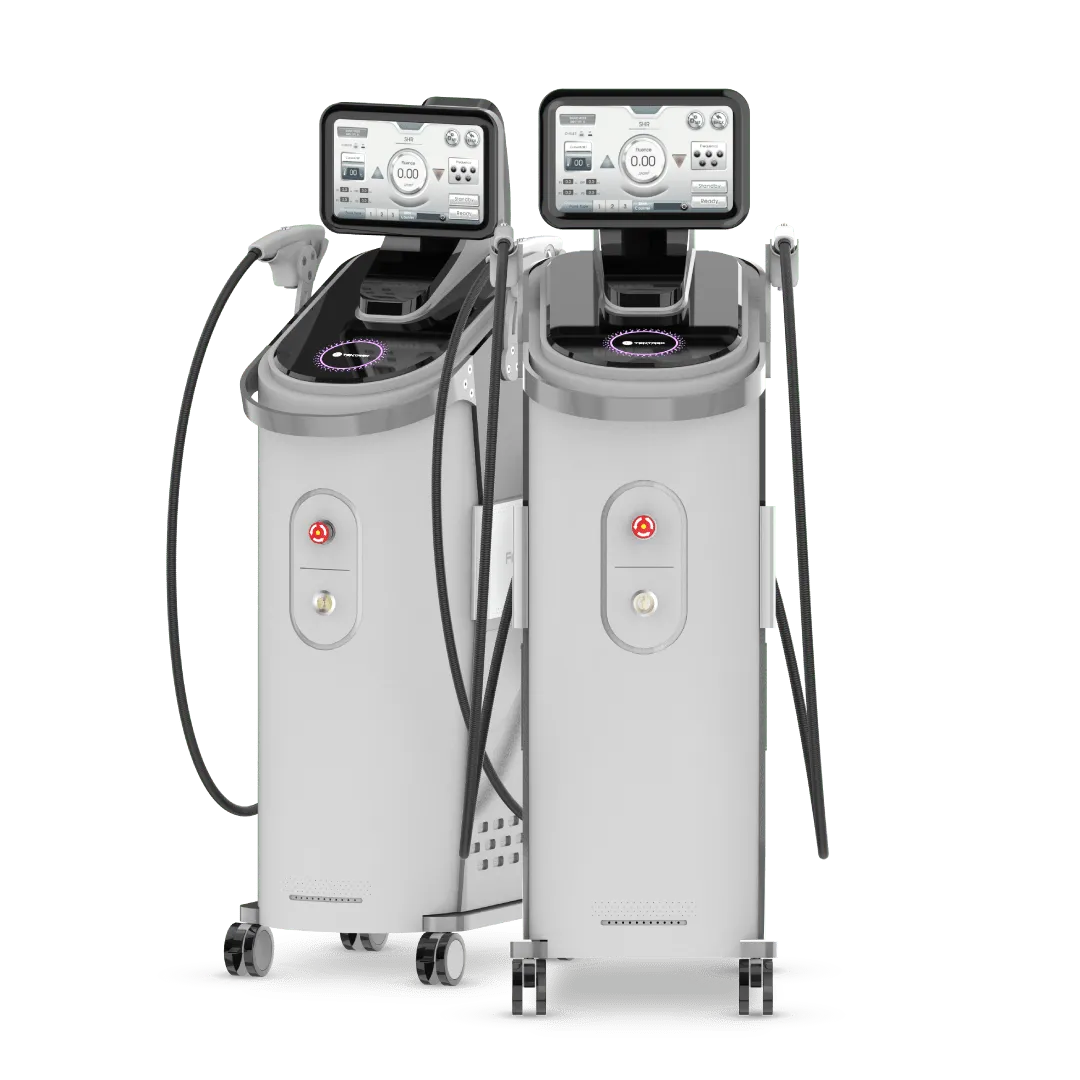
If you have that feeling that IPL hurts and you want to know if it’s true, I tell you yes, it can feel uncomfortable, but it is not suffering, and there is no need to be afraid. The first thing is to validate that fear because the truth is that people are always scared before entering my consultation. Imagine that someone touches your skin with a stream of cold water; that is the sensation the treatment seeks to evoke.
In the consultation, we examine the spots and explain how laser rays or pulsed light work to break down those pigment accumulations without burning the skin. In reality, what we do is send controlled energy to the layer where the sun was stored, and then we take care of cleaning that residue. My team uses advanced technology to adjust to each patient and ensure that the process is safe and effective.
If this happens to you, that is, if you see those brown or reddish spots that do not disappear with the days, you do not need to panic. The important thing is that you understand what is happening in your skin before deciding if the pain is worth it. Let’s talk about it calmly and without complicated terms that might scare you.
Why Sun Spots Appear and Why the Pain is Relative
Sun spots appear because sunlight, specifically UVA rays, enters your skin and causes cells called melanocytes to produce more pigment to protect you. It’s as if your skin is trying to build a natural shield against the heat.
A key piece of information that people sometimes do not understand is that these spots are not just aesthetic; they are evidence of real damage. Accumulated photodamage can damage cellular DNA and accelerate aging, but with pulsed light we can stop that process without burning anything if done correctly.
Here is an honest nuance that breaks a common myth: People believe that melasma is removed in one treatment. The reality is that it is controlled, not eliminated forever. In the case of sun spots, they can be eliminated in the majority of cases, but if you are exposed to the sun again without protection, they will return in a short time.
Many people think that the pain is the same in all sessions. The reality is that it depends on the amount of pigment your skin has and the type of light used. IPL (intense pulsed light) works well for superficial red or brown spots, while other types of light are better for deeper areas.
It is not the same for a session for someone with light skin as it is for someone with medium tone; each one needs a different adjustment in the heat intensity.
How the Session Feels in the Consultation and What to Really Expect
When you arrive at my consultation, we first examine the affected area and ask you about your sun exposure history and medications. If you decide to proceed with the treatment, we apply a protective cream on the skin that helps cool the surface and reduces the heat reaching the interior.
At that moment, you will feel a pleasant but firm sensation in the treated area, like a light pinch or a sharp tap of cold air. It is not an acute or constant pain. The duration of the treatment varies according to the size of the area; a full face may take between 15 and 20 minutes.
After the session, your skin may feel sensitive or as if it has been slightly burned, but this is normal and calms down with hydration at home. You can resume your normal activities almost immediately, although you must avoid direct sun exposure for a few weeks.
If you want to know more about how we combine pulsed light with other methods for better results, visit our online store at verassere.com/tienda/ to see the post-treatment products we recommend. There you will find creams that help reinforce the skin barrier and accelerate skin recovery.
The process in the consultation also includes educating you on how to care for your skin during the following weeks. It is not just about applying cream; there are specific habits you must follow to prevent the spots from reappearing so quickly.
Clear Signs That You Should See a Specialist Before It’s Too Late
The clear signs that you should see a specialist are when you notice new or darker spots after summer, especially if you did not use sunscreen. It is also time to go if your spots change in shape, size, or color and cause visual discomfort.
Other signs include the appearance of red papules in sun-exposed areas or when your home whitening treatments worsen the appearance of your skin. If you feel constant tingling or itching in those areas, it is another sign that the skin is reacting to something and needs professional attention.
Do not wait for the spots to become very dark or irregular before seeing a doctor. The best time to treat them is before the pigment sinks deeper into the dermis. The sooner you act, the fewer sessions you will need and the less risk there is of side effects.
If you have doubts about whether your spots are solar or another type, such as melasma or vitiligo, a dermatological examination is necessary to avoid making mistakes with the treatment. A diagnostic error can cause the condition to worsen with incorrect methods.
Frequently Asked Questions You Ask at Home
Does IPL really hurt a lot to remove spots? It is true that it feels like a pinch or a strong cold sensation, but it is not an acute pain and does not last long. Most patients tolerate it well without the need for local anesthesia.
Can I have the treatment if I use retinol or acid creams? Yes, but we must separate the days so the skin is not irritated. Generally, we avoid applying active products three days before and three days after the session to ensure safe results.
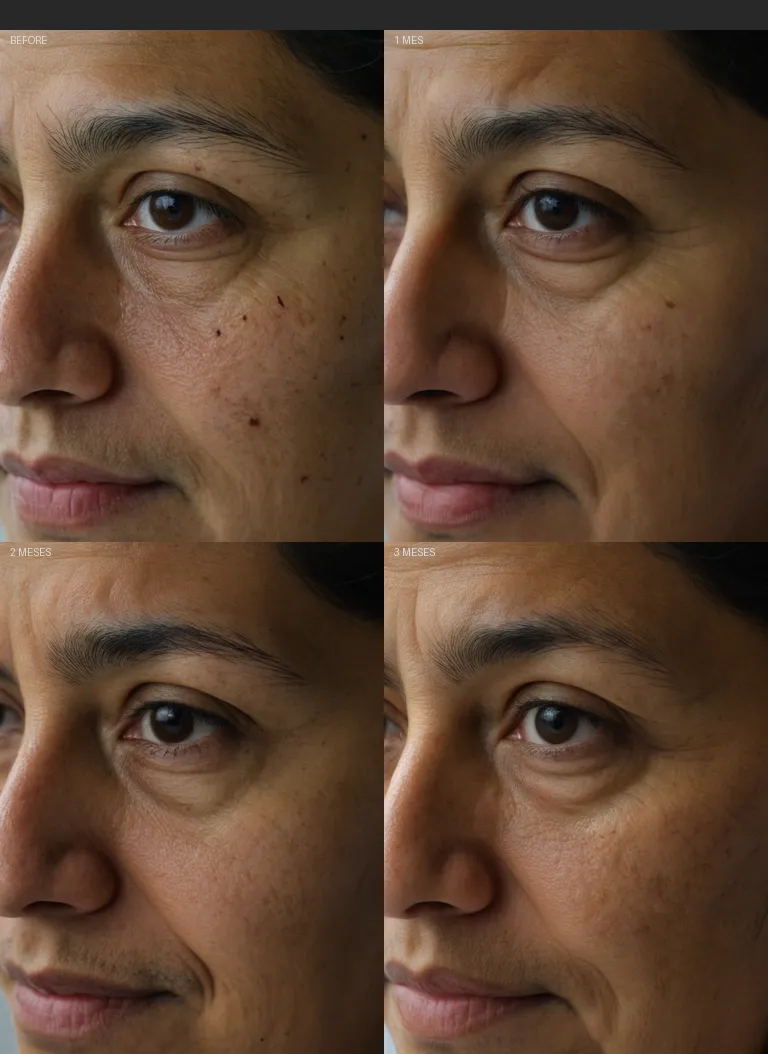
Will I see immediate results after a single session? No; the pigment takes a few weeks to leave the skin, so you can notice subtle changes at the end of the first week, but the best results appear at four or six weeks.
Your Journey Toward a Clearer Skin Begins Today
If what you read generated doubts about the pain, I am happy to answer: Schedule a consultation.