


IPL vs CO2 Laser for Sun Spots in Medellín
It is difficult to find anyone who does not feel a bit embarrassed by those spots that appear on the arms or legs after a vacation in the Caribbean or a prolonged stay outdoors. It is not inherently shameful, but the frustration of seeing how that skin which used to be uniform changes color is very real. In consultation, many patients tell me: “Dr. Nathalie, my skin seems to have dark streaks that do not go away with anything.” I completely understand that feeling. It is as if an invisible layer had been put over your face and does not show up well at first glance.
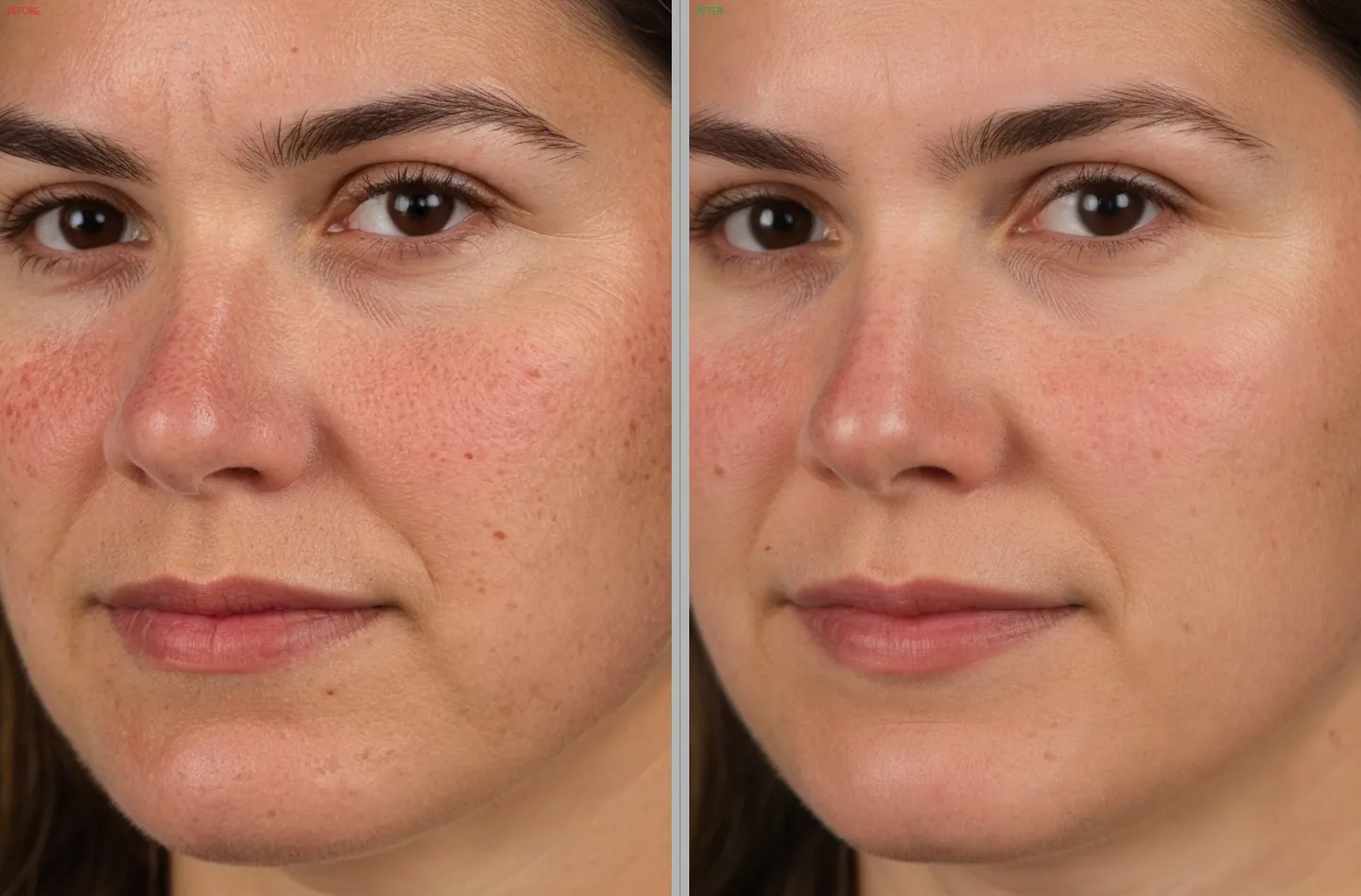
Sometimes we think the sun in Medellín is too soft to cause this, but the reality is different. Sun spots, also known as solar lentigines, are the fingerprints of accumulated damage from ultraviolet rays over the years. Unlike melasma, which responds more to hormones, these spots originate from a direct and cumulative response of the skin to radiant heat. It is not your fault to have them; it is simply how your body’s natural protection works when it feels constantly threatened by the rays.
Many people confuse this with other conditions because the symptoms seem similar: gray or brown areas that appear in sun-exposed places. However, the origin of the problem completely changes the solution. Sun spots are epidermal lesions caused by cell oxidation induced by solar damage. This means the cells on the surface of your skin have been chemically altered and have begun to produce more melanin as a defense. Understanding that it is a physical and chemical process, not emotional or hormonal, helps you seek the correct treatment without false hopes.
In our dermatological center in Medellín, we evaluate each case individually to determine if your skin needs IPL or CO2 laser. There is no single answer because your skin type and the depth of the spots dictate the path. Sometimes we use a combined method to achieve better results, but always after confirming there is no active inflammation or infection in the affected area.
IPL, which is the trade name for intense pulsed light therapy, works like a very powerful flashlight that acts on the entire surface of your skin. It is ideal when you have superficial spots and also want to reduce redness or vasodilation caused by heat. The light energy penetrates the skin and is absorbed by the melanins and blood vessels, generating heat that destroys those damaged cells without damaging the deep structure. It is less invasive than laser, but requires more frequent sessions because the energy is more diffuse.
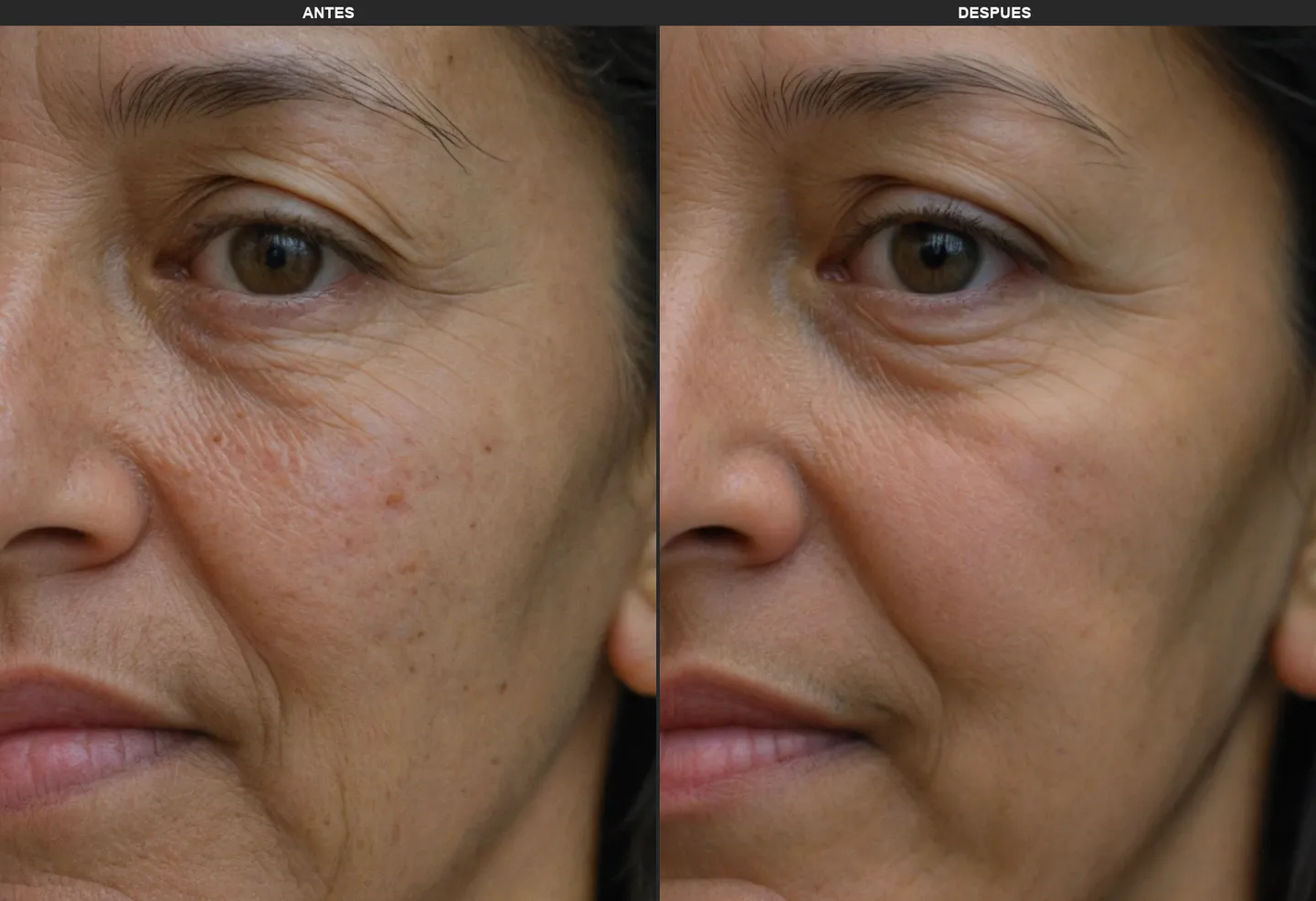
On the other hand, the carbon dioxide laser has a very different behavior and is more aggressive in its action. This device emits light that is absorbed almost exclusively by the deep dermal cells and the collagen matrix. It is perfect when the spots are deeper or when the skin needs a complete renewal after years of intense solar exposure. The energy is concentrated in very small points and penetrates to deeper layers, stimulating a new generation of cells that replace the burned ones.
Signs You Should Consult
If you are wondering which to choose, you must think about the depth of your lesion and your dermatological history. Not all spots are the same, and not all require the same approach. In some cases, IPL may be sufficient and more comfortable, while in others CO2 laser is necessary to achieve the real luminosity you are looking for. The important thing is that both treatments are designed to correct specific aesthetic problems safely and effectively under expert supervision.
Many people mistakenly believe that a single session cures everything and that the effect is permanent. The truth is that most treatments require a series of sessions spaced over time to ensure lasting results. Additionally, sun protection remains mandatory after the treatment, not optional. If you stop using sunscreen, the spots will reappear because the solar damage remains active in your skin.
In dermatological consultation, we always evaluate your skin’s response to tests before applying the definitive treatment. This allows us to adjust the energy intensity to minimize risks such as post-inflammatory hyperpigmentation or burns. The process includes adequate cleaning of the affected area, protection of surrounding areas, and constant monitoring throughout the entire session.
A common scenario is when someone works in offices with large windows and lets natural light in without realizing it. Over time, those accumulated hours of solar exposure are enough to create visible spots even without going out to the patio. This makes prevention just as important as treatment when changes already appear in your skin.
If you notice brown patches that do not disappear after several weeks of consistent use of moisturizing creams and sunscreen, you probably need a more active approach such as IPL or CO2 laser. Do not wait for the spots to become larger or change shape before seeking professional help.
Is IPL or CO2 laser better for my skin? The answer depends on the thickness of the spots, your skin tone, and the depth of the accumulated solar damage in your dermis. Both are valid options with positive results when applied correctly.
How many sessions do I need to see significant changes in my skin? Generally, between two and four spaced sessions are required, although this varies according to your body’s individual response to the treatment.
Frequently Asked Questions
Can I get spots again if I do not use sunblock after the treatment? Yes, absolutely. Without continuous sun protection, solar damage resets quickly and spots can reappear in weeks.
For those who want to evaluate their options without prior commitment, we have a page where you can explore our specialized treatments for hyperpigmentation and sun spots. You can visit our service catalog to better understand what options we have available in our clinic.
If you have specific doubts about your case or want to know if you are a candidate for any of these procedures, the best way to get clear answers is by speaking directly with us. You can write to us to schedule an initial evaluation where we will analyze your spots and explain which is the safest and most effective path for you.