


Rosacea and Acne: What's the Real Difference on Your Skin?
There is something many of us tell ourselves in the bathroom mirror while brushing our teeth and preparing to go to work. We say, “It’s nothing, it’s just a little acne.” But if that redness accompanies you all day, if it burns with the temperature of the air conditioning, or if you have itching on your cheeks, something is not right. I have seen you come to my consultation with that red face, and you say you have already used many products to clean it. I perfectly understand that frustration because feeling like your skin does not obey your orders is very uncomfortable.

The difference between rosacea and acne goes beyond what is seen at first glance, although both cause that red and broken appearance. Acne occurs when hair follicles become obstructed, a mixture of excess oil and dead cells that traps bacteria such as C. acnes. It is a mechanical blocking process. Rosacea, on the other hand, is a chronic inflammatory condition where the skin barrier does not regulate blood flow and skin temperature well. It is not an infection or a simple obstruction.
In my consultation, we often see that patients confuse the two conditions because both can present papules or small protrusions on the surface. When it comes to acne, these lesions are usually black (comedones) or pus-filled (pustules) and respond well to retinoids and topical antibiotics. However, in rosacea, the central issue is persistent vasodilation. The skin becomes red, sensitive, and hot. If you notice that the redness worsens with strong emotions, spicy foods, or even contact with dirty clothes, it is a warning sign.
Why does this happen to you and what is the myth?
People believe that rosacea is an advanced stage of acne that never heals or that it always appears in adolescents. The reality is that rosacea can appear at any age, even after forty, and is often masked by the use of heavy creams to treat other problems. Its main cause is linked to vascular hypersensitivity and environmental triggers such as heat, cold wind, or spicy foods. Additionally, there is a systemic inflammatory component that affects local immune cells, which explains why the skin reacts so violently to simple things like a change in temperature or work stress.
The most dangerous myth is thinking that if the redness disappears after treatment, the disease has ended forever. The reality is that it is controlled, not cured forever. Rosacea tends to be recurrent if triggers are not managed. There is no definitive cure that eliminates genetic predisposition or vascular sensitivity once established. The real goal is to keep your skin calm and prevent flares from worsening. Instead of seeking an impossible total disappearance, we aim for a stable state where your face looks healthy and does not make you feel uncomfortable at work.
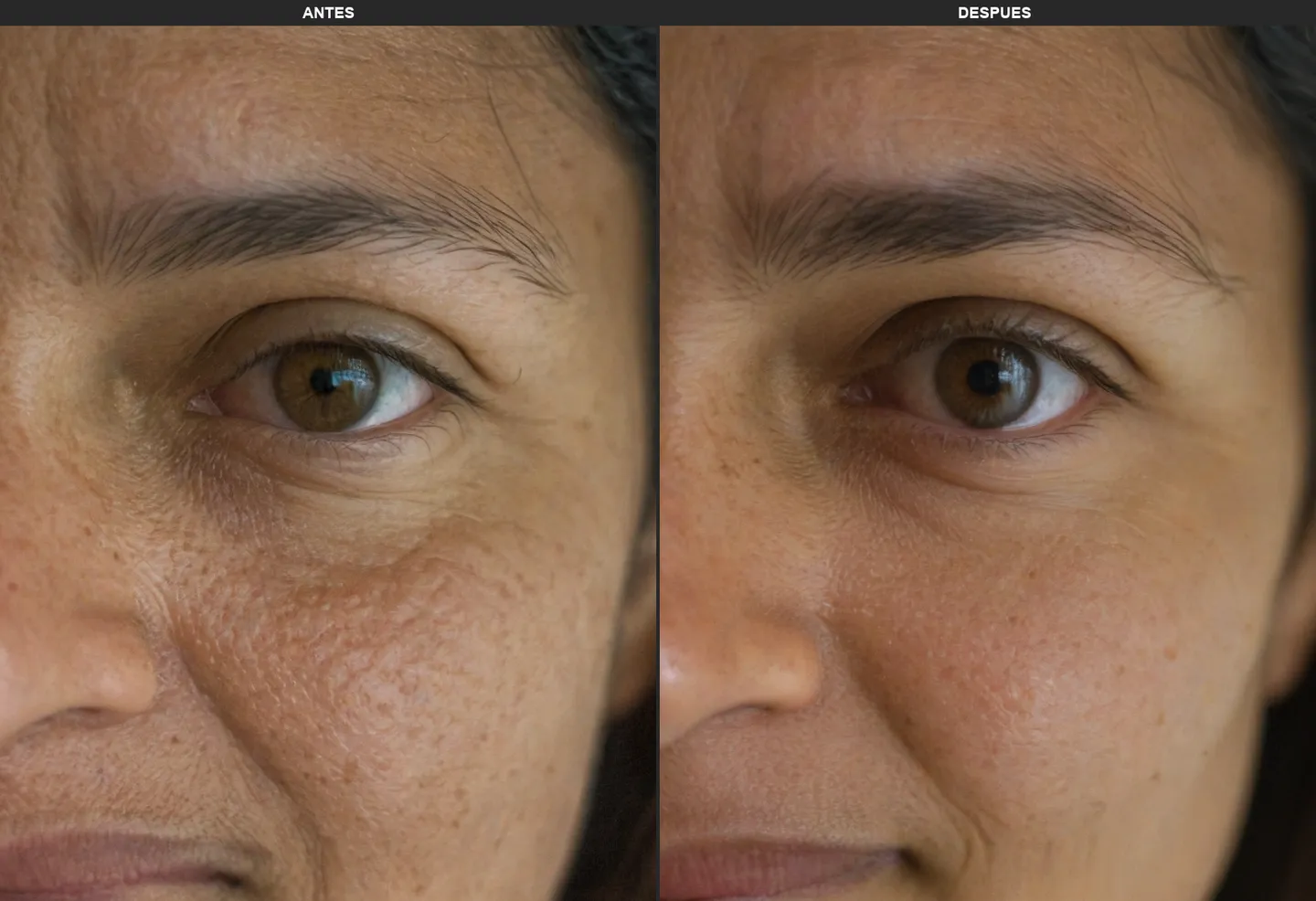
How do we solve it in consultation?
In our clinic in Medellín, the process is very personalized because every face is unique. The first thing we do is carefully examine the distribution of the lesions. If you see diffuse red patches on the cheeks and nose, or if you notice telangiectasias (visible dilated blood vessels), it is most likely rosacea. If black or white outbreaks predominate and there is pain when touching them, the focus shifts toward acne.
If we confirm that your skin suffers from rosacea, we do not prescribe cream by cream at random. We evaluate your skin barrier and your response to heat. To treat persistent redness and visible vessels, we use pulsed light lasers or IPL (intense pulsed light). These devices act like thermal tweezers that close dilated blood vessels from the inside without damaging the superficial skin. In the case of acne, we apply treatments with topical antibiotics or retinoids that regulate oil production and clean the pores.
Sometimes patients arrive thinking they need a miracle cosmetic, but what really works is a combination of medication and protection. In some cases, we suggest the Verassere line to complement your daily routine with ingredients that calm inflammation and reinforce your skin’s natural protective layer. It is vital that you understand that daily care is just as important as medical treatment. It is not enough to go home and wait for it to resolve itself.
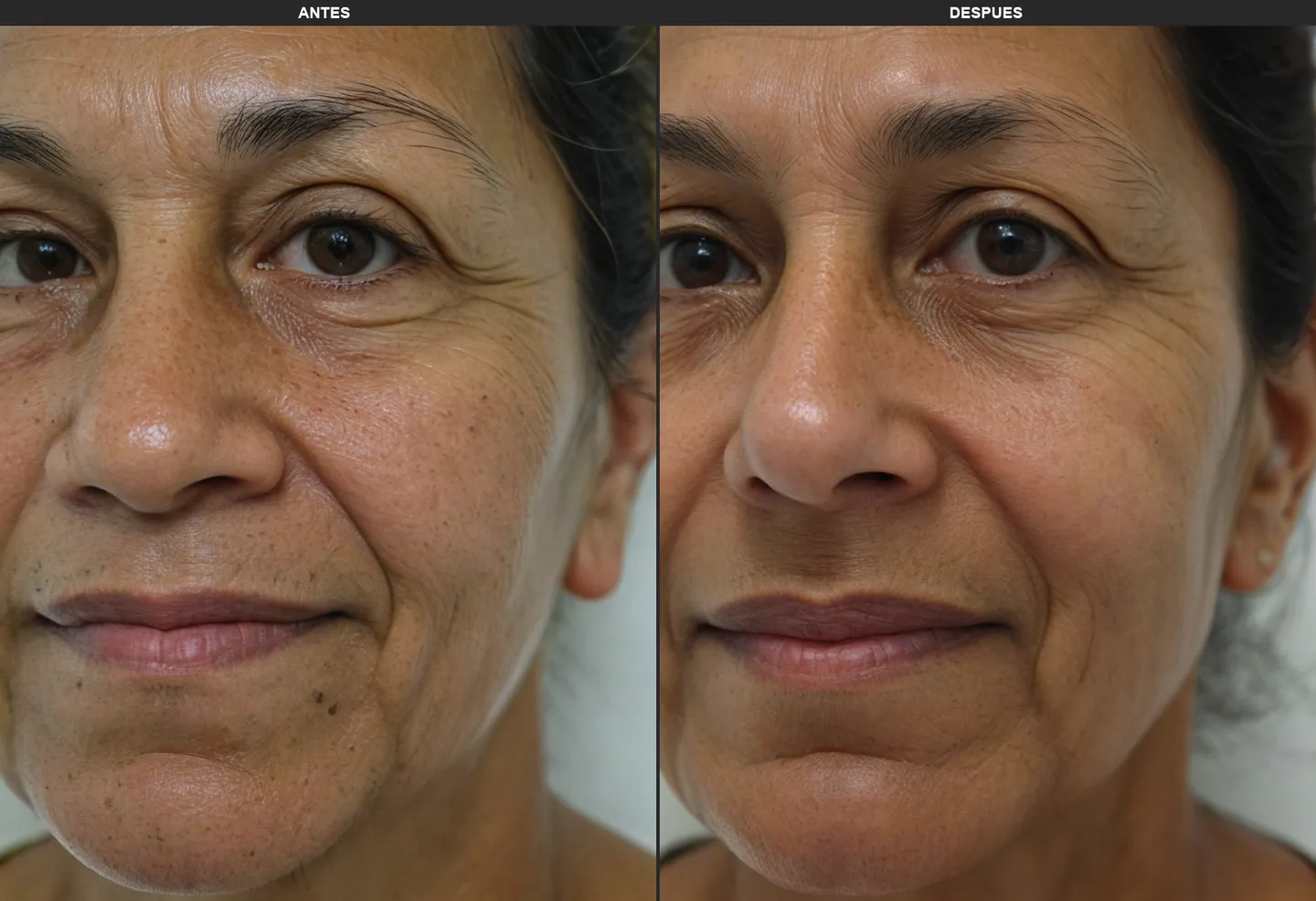
When should you see a dermatologist?
Do not wait for your face to change color before acting, but there are clear signs not to wait any longer. If the redness does not disappear after applying a soothing toner or changing your cleansing routine, it is time to seek professional help. You should also consult if you feel burning or constant itching when touching your skin, even after washing your face. Another important indicator is if you notice that your cheeks heat up excessively when eating something spicy, drinking hot alcohol, or feeling strong stress. These reactions are normal responses of healthy skin, but in rosacea they are excessive and harmful to your well-being.
It is fundamental that you do not try to solve it with over-the-counter creams without supervision. Some products that seem good may contain alcohol or fragrances that irritate an already sensitive skin even more, worsening the condition and creating a vicious cycle of inflammation. Patience is key, but early action is also necessary to avoid permanent damage such as scars or extreme sensitivity that makes the use of any cosmetic difficult.
Frequently Asked Questions
Is it true that rosacea disappears if I use more moisturizing cream? People believe that hydrating a lot cures everything, but if the skin is very sensitive, very rich creams can trap heat and make the redness worse.
Can you have rosacea if you never used makeup or beauty products? Yes, rosacea is a medical condition with genetic and environmental causes; it has nothing to do with the use of cosmetics or a lack of personal care.
Can I use the same treatments for my acne if I have this constant redness? Not always, because some strong acne products can irritate rosacea skin and worsen inflammation, which is why it is necessary for a specialist to evaluate your specific case.
If your skin tells you something is not right, listen to it
If you have been dealing with this redness for months and want to know what real options you have to calm your face, schedule a consultation in Medellín: Schedule a consultation.