


Tensamax side effects and the truth no one tells you
If you just finished your day at an office where the air conditioning makes it feel like winter, and you look in the mirror with concern because you notice your face looks tired—more so than your skin is actually saying. It’s that uncomfortable moment when you feel like you’re losing the battle against time, and the fine lines around your eyes seem to be gaining ground. Many patients have told me they have noticed a change in how their face feels after using certain treatments or creams, and that sense of uncertainty can be very difficult to bear when you are already feeling drained by work stress or daily routine. It is not normal to feel this way, because your body is sending clear signals that something is not functioning as it should.
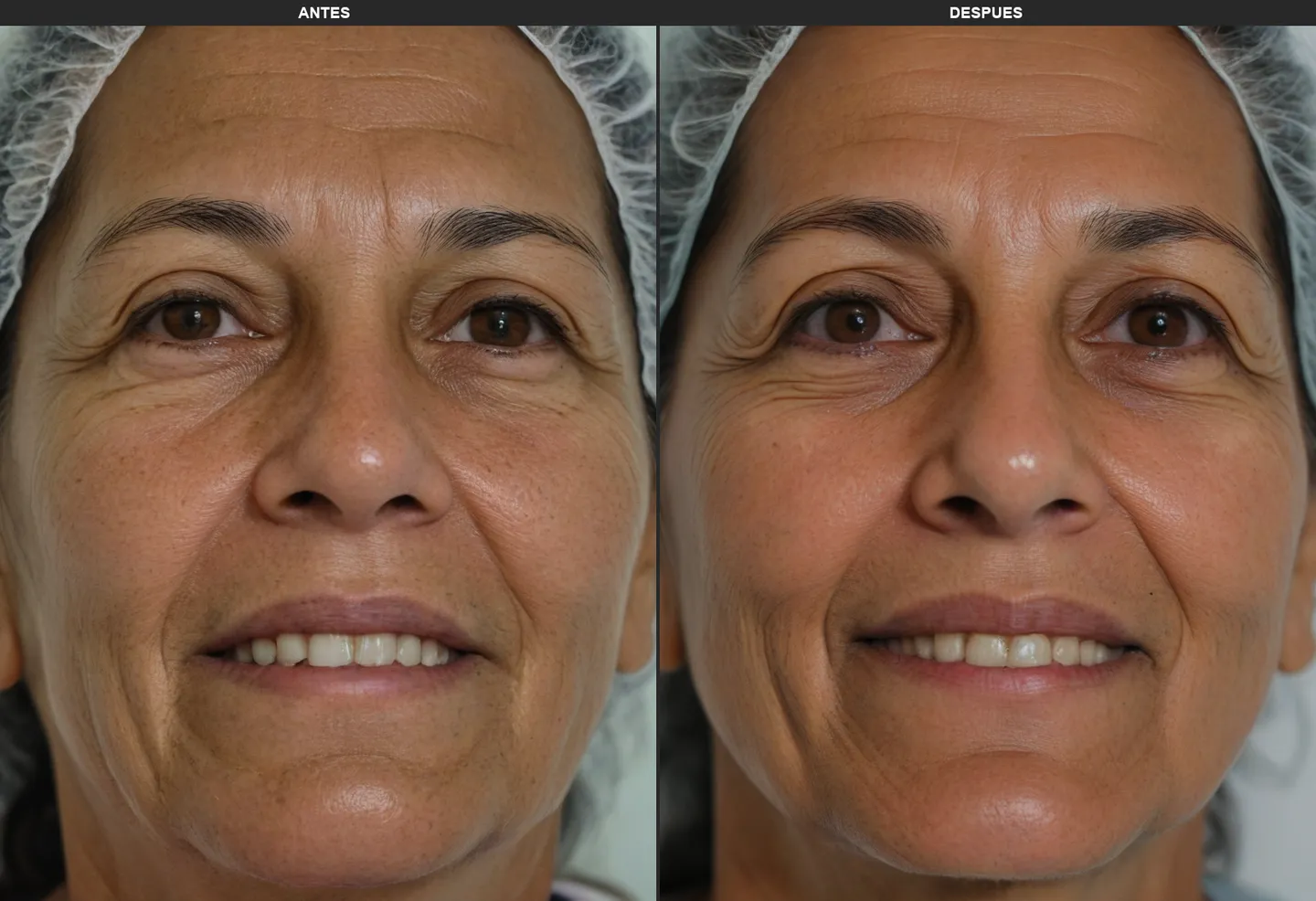
Our Approach in Consultation
In consultation, we see that what happens to your skin sometimes depends on how the treatment is managed from the beginning and how frequently it is repeated. Dr. Nathalie Morales and I have observed that when a product like tensamax is used, there is a series of reactions that can confuse you instead of helping you feel better. What we do is evaluate whether those discomforts are temporary or if they indicate that our approach is not suitable for your skin type. If this happens to you, you do not need to assume everything is wrong nor be afraid to see a doctor, because sometimes the answer lies in adjusting the pace rather than completely changing what you are doing.
Skin aging does not happen overnight, but there are moments where it becomes evident that your skin needs extra help. Cumulative sun exposure and the natural loss of collagen and elastin are two silent processes that make your face lose the firmness you value so much. Instead of just saying “your skin is aging,” what really happens is that the support fibers weaken over the years and ultraviolet radiation acts as if you are burning that internal structure from the inside out. This combination makes wrinkles form faster and causes the skin to lose its ability to replenish itself after the daily grind.
Sometimes people believe that using a new product automatically eliminates signs of aging or that there are no risks in using it, but the reality is more complex. People believe that tensamax is removed after one treatment. The reality is that it is controlled, not gone forever. If you apply a potent substance without supervision, you can cause irritation or unexpected reactions that take time to pass and leave temporary marks on your skin. It is not that the product is bad in itself, but rather that each person has a different response depending on their sensitivity and how their skin has been treated before.
When the time comes to address it, the first thing we do is understand exactly what is causing your discomfort. In consultation, we see that each case requires a personalized plan where we define the specific symptoms and the duration of the reactions you are experiencing. What we do is adjust the dosage or change the type of substance if we detect that your skin is not tolerating well what we are proposing. If this happens to you, it is likely that we will need to review the frequency with which you use the product or if there are other external factors such as heat or cold that are worsening the situation. At Verassere, for example, we sometimes suggest breaks in use to allow your skin to breathe and recover at its own natural pace.
There are several types of reactions that can appear, and understanding them helps you know what to expect. Some people feel mild itching or stinging right after applying the product, while others notice a facial redness that lasts several hours. It is also common to observe changes in skin texture that may resemble a small inflammation if not handled with care. These reactions are usually signals that your immune system is processing the new element, but if they persist, they indicate that we need to modify the approach. The important thing is not to ignore them thinking they are normal, but to communicate them to the doctor to adjust the treatment before it is too late.
If you try to use very potent products on your own without professional advice, you can worsen the situation quickly. In consultation, we see that sometimes reactions can be more intense if your skin’s tolerance is not respected, especially in sensitive areas like the eye contour or forehead. What we do is monitor these effects during the first few weeks to ensure everything is going well before moving to the next step. If this happens to you, it is possible that we will have to reduce the amount of substance or switch to a gentler treatment to avoid greater damage. The key lies in patience and not rushing to see immediate results if your skin needs time to adapt.
The sun in Medellín does not forgive, especially when we combine the warm climate with the use of certain products that can be more sensitive. There is something many patients tell us when they come for the first time: “Dr. Nathalie, my face burned after using it and I thought I would never use it again.” That is a common reaction that can feel very uncomfortable when you are in the middle of a skincare routine that already worked before. It is not uncommon for this to happen, but it is important to know that not all cases are the same and that with time, everything can stabilize.
When consulting about these topics, look for concrete signs without unnecessarily alarming yourself. If you notice that the irritation lasts more than two days after applying the product or if intense redness appears that does not disappear with mild soap and water, it is time to pause use. Also, if you feel pain or swelling in a specific area, that indicates something is not right and the process needs to be reviewed. You do not need to see a doctor for every minor discomfort, but you should when the reaction changes color or intensity to know if it is part of the process or a real problem.
Frequently Asked Questions
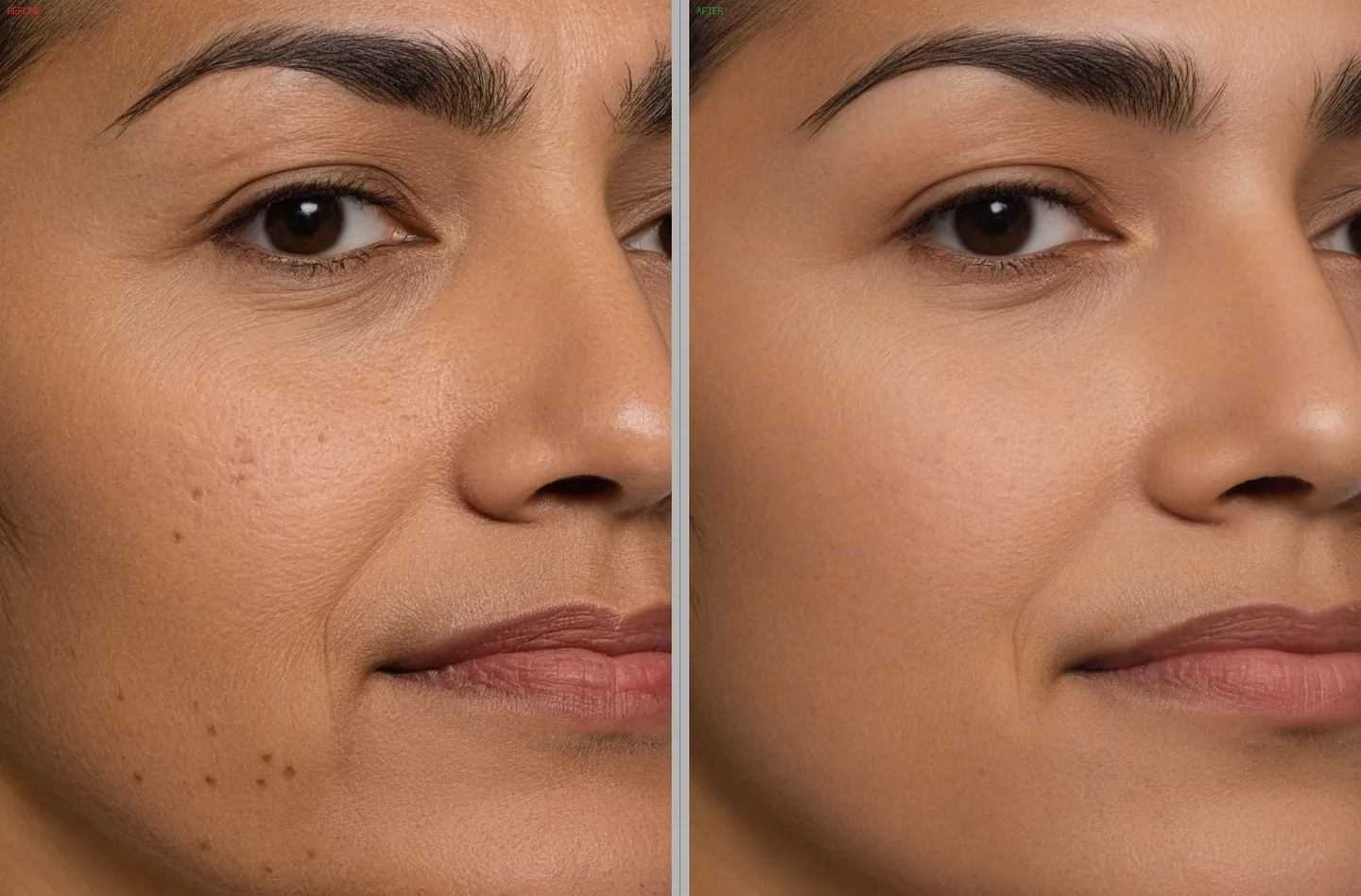
Frequently Asked Questions
Why does my face burn after using tensamax? It is normal to feel mild itching at the beginning because the skin is reacting to the new product, but if the stinging persists or is very strong, it could be a sign that the concentration is too high for your skin type.
How long does the irritation last if I use tensamax? Normally, mild reactions disappear within hours or a day, but if you feel pain or swelling that does not improve with breaks, you should inform your dermatologist to adjust the treatment.
Can I continue using tensamax if I have a mild reaction? It depends on the intensity and duration of the discomfort, but if you do not feel comfortable or if the reaction worsens, it is better to stop briefly so your skin can calm down before continuing.
If what you read generates doubts, we are happy to answer: Schedule a consultation.